Learn the correct way to dispose of expired or unused medications in household trash to prevent accidental poisoning, misuse, and environmental harm. Follow FDA and EPA guidelines with simple, proven steps.

When you dispose medications safely, the proper way to get rid of unused or expired drugs to prevent harm to people and the environment. Also known as drug disposal, it’s not just about cleaning out your medicine cabinet—it’s about stopping pills from ending up in waterways, falling into the wrong hands, or poisoning kids and pets. Many people still flush pills down the toilet or toss them in the trash without thinking, but those habits can have real consequences. The EPA and FDA have clear guidelines because improper disposal contributes to drug abuse, environmental contamination, and even accidental overdoses.
Not all medications are the same when it comes to disposal. Some, like fentanyl patches or certain opioid painkillers, are on the FDA’s flush list, a short list of drugs that should be flushed immediately if a take-back program isn’t available. This is because they’re so potent that even a tiny amount can be deadly if someone else finds them. For most other drugs, the safest route is to use a drug take-back program, a free, secure drop-off service offered by pharmacies, hospitals, or law enforcement agencies. These programs collect expired or unwanted pills and destroy them in environmentally safe ways. You can find one near you by checking with your local pharmacy or visiting the DEA’s website—no prescription needed.
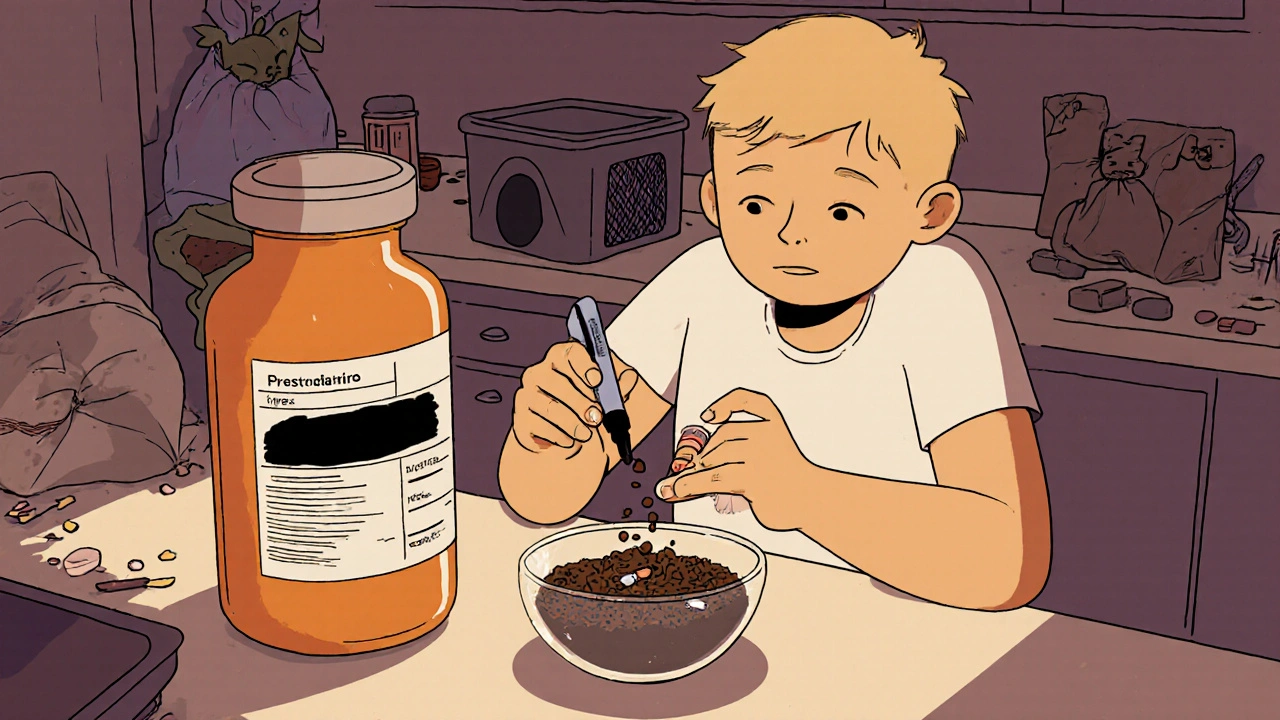
If no take-back option is nearby, mix your pills with something unappetizing like coffee grounds or cat litter, seal them in a plastic bag, and throw them in the trash. Never leave them in their original bottle with your name on it—remove or black out personal info first. This simple step keeps your identity and medical history out of the hands of people looking for pills to misuse.
Why does this matter? Because every year, millions of unused prescriptions end up in homes, landfills, and water systems. Studies show traces of medications in drinking water, and children accidentally ingest pills left within reach. Even over-the-counter drugs like ibuprofen or acetaminophen can be dangerous if misused. Proper disposal isn’t optional—it’s a responsibility.
Below, you’ll find real-world advice from people who’ve dealt with expired meds, confusing labels, and confusing rules. Whether you’re cleaning out a parent’s medicine cabinet, managing chronic illness, or just trying to do the right thing, these posts give you the exact steps to follow—no jargon, no fluff, just what works.
Learn the correct way to dispose of expired or unused medications in household trash to prevent accidental poisoning, misuse, and environmental harm. Follow FDA and EPA guidelines with simple, proven steps.