

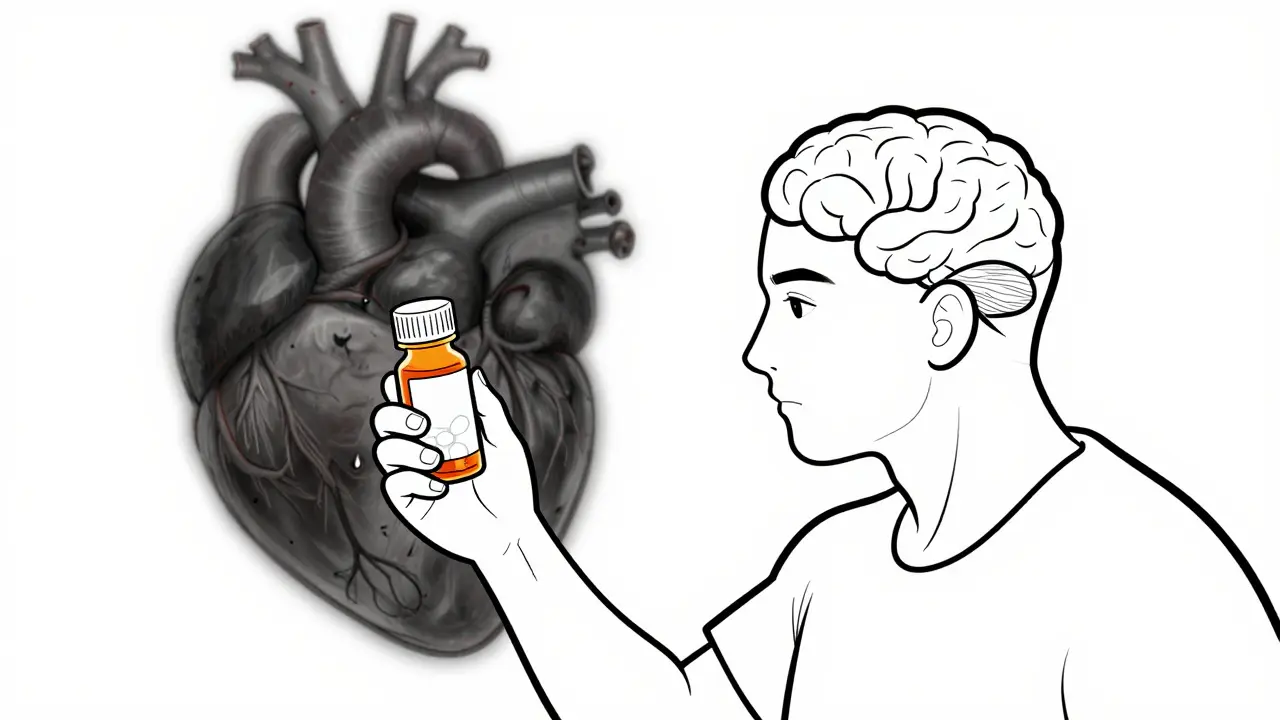
Blood Pressure Risk Calculator
Assess your risk of heart complications from decongestants based on your health conditions and blood pressure
If you have heart disease or high blood pressure, taking a common cold medicine could be riskier than you think. Many people reach for decongestants when their nose is stuffed up-thinking it’s just a quick fix for a stuffy nose. But for those with heart conditions, these over-the-counter drugs aren’t harmless. They can push blood pressure higher, trigger irregular heartbeats, or even lead to a heart attack or stroke. This isn’t speculation. It’s backed by real cases, medical guidelines, and decades of research.
How Decongestants Work-and Why They’re Dangerous for Your Heart
Decongestants like pseudoephedrine and phenylephrine work by tightening blood vessels. That’s why they clear nasal congestion: the blood vessels in your nose shrink, reducing swelling and mucus. But here’s the problem-this effect doesn’t stay in your nose. These drugs enter your bloodstream and constrict blood vessels all over your body, including those around your heart and brain.
This vasoconstriction forces your heart to work harder. Your blood pressure rises. Your heart rate can speed up. For someone with healthy arteries and normal blood pressure, this might cause only a slight, temporary spike. But for someone with heart disease, uncontrolled hypertension, or a history of heart failure, that spike can be dangerous.
A 2005 meta-analysis published in US Pharmacist found that pseudoephedrine causes a small but measurable increase in systolic blood pressure-enough to matter if your numbers are already high. In one documented case, a 5-year-old girl developed high blood pressure after taking a standard pediatric dose of phenylephrine. Her blood pressure returned to normal only after stopping the medication. No other cause was found. That’s not an outlier. It’s a warning.
The Real Risks: Heart Attack, Stroke, and Heart Failure
Decongestants don’t just raise blood pressure-they can trigger life-threatening events. The American Heart Association is clear: people with heart disease, uncontrolled high blood pressure, heart failure, or a history of stroke should avoid oral decongestants entirely.
Here’s what can happen:
- Heart attack: Constricted coronary arteries reduce blood flow to the heart muscle. In someone with blocked arteries, this can cause a heart attack-even if they’ve never had one before.
- Stroke: Elevated blood pressure increases pressure on weakened blood vessels in the brain, raising the risk of rupture or clot.
- Heart failure decompensation: When the heart is already struggling to pump, the added strain from decongestants can cause fluid to build up in the lungs and body, leading to emergency hospitalization.
- Arrhythmias: Irregular heart rhythms, including dangerous ones like ventricular tachycardia, have been linked to decongestant use in people with underlying heart conditions.
A 2015 case report in PubMed described a 40-year-old man who developed a malignant hypertensive crisis and life-threatening heart failure after using nasal sprays containing naphazoline-far beyond the recommended dose. He didn’t have a history of heart disease. But the decongestant pushed his system over the edge.
Topical vs. Oral: Which Is Safer?
Many assume nasal sprays are safer because they’re applied locally. That’s not always true. While sprays like oxymetazoline (Afrin) and naphazoline act mostly in the nose, some of the drug still gets absorbed into the bloodstream. A study of 100 patients showed that after a week of regular use, heart rate increased significantly-even though blood pressure didn’t change much.
But here’s the catch: even small increases in heart rate and blood pressure can be dangerous for someone with a weak heart. And when people use these sprays longer than recommended-say, for more than three days-they’re increasing their risk without realizing it. The PubMed case of the 40-year-old man involved exactly this: prolonged, excessive use of a nasal spray combined with a steroid.
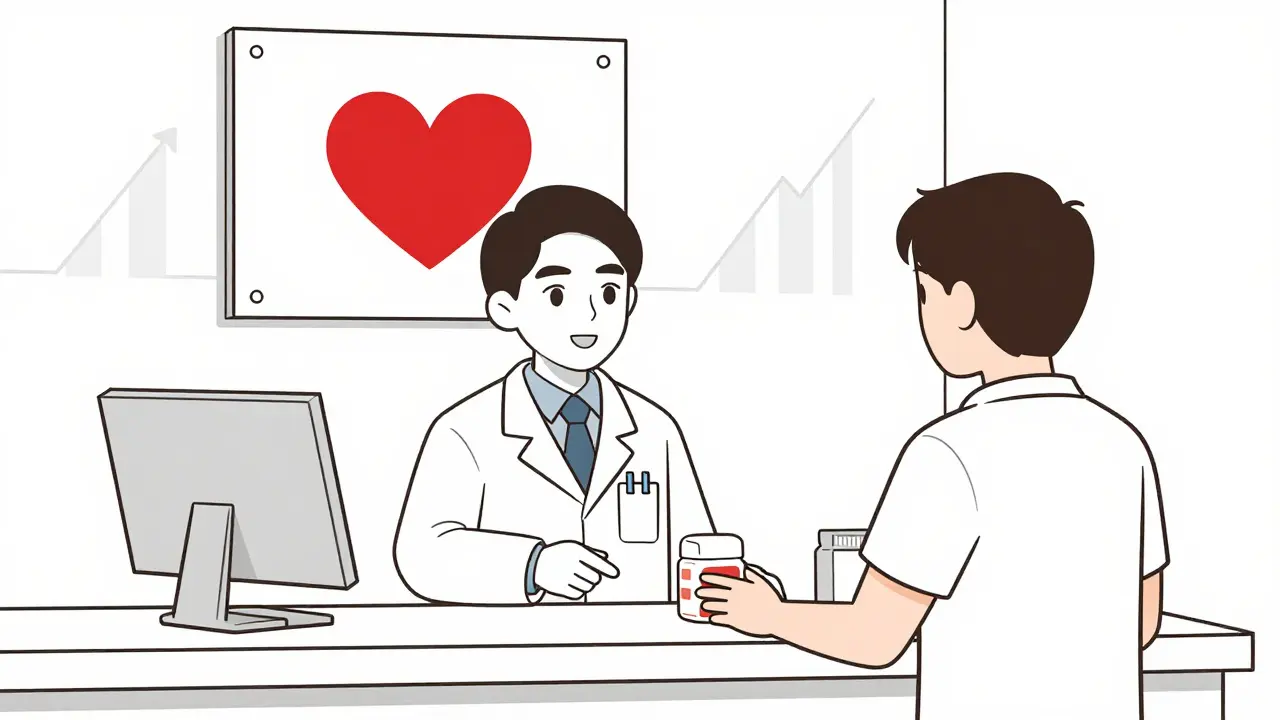
Oral decongestants like pseudoephedrine are even riskier because they’re absorbed fully into the bloodstream. That’s why they’re kept behind the pharmacy counter in many places, including Australia and the U.S. Pharmacists are trained to ask about heart disease, high blood pressure, and other conditions before selling them. That’s not bureaucracy-it’s a safety check.
Who Should Avoid Decongestants Completely?
Medical experts agree: if you have any of these conditions, skip decongestants:
- Uncontrolled high blood pressure (hypertension)
- Heart failure
- History of heart attack or stroke
- Coronary artery disease
- Prinzmetal angina (spasms in heart arteries)
- Arrhythmias or irregular heartbeat
- Severe or untreated thyroid disease
Even if your blood pressure is "controlled" with medication, you’re not out of the woods. Harvard Health notes that while the rise in blood pressure from pseudoephedrine is small in controlled cases, it’s still there-and it adds to the stress your heart is already under when you’re sick.
And don’t forget: being sick itself is hard on your heart. A cold or flu raises your heart rate, increases inflammation, and makes your body work harder just to fight off the virus. Adding a decongestant on top of that is like stepping on the gas while your engine is already overheating.
What Can You Use Instead?
You don’t need decongestants to feel better. There are safer ways to manage nasal congestion, especially if you have heart disease:
- Saline nasal sprays: These are just salt water. They flush out mucus and irritants without affecting blood pressure or heart rate.
- Steam inhalation: Breathing in warm, moist air from a bowl or shower helps open nasal passages naturally.
- Humidifiers: Keeping the air moist reduces swelling in nasal tissues.
- Guaifenesin (Mucinex): This expectorant helps thin mucus so it drains more easily-no vasoconstriction involved.
- Elevating your head while sleeping: This reduces nighttime congestion without any medication.
The European Journal of General Medicine puts it plainly: decongestants offer only temporary symptom relief. They don’t cure the cold or the flu. If your symptoms are mild or moderate, not using them at all is the wisest choice.

Reading Labels Isn’t Enough-Ask Your Pharmacist
Most decongestant packages say "Do not use if you have high blood pressure" or "Consult your doctor if you have heart disease." But people often skip the fine print. Or they assume "it’s just one pill" won’t hurt.
Here’s what you should do:
- Always check the active ingredient. Look for pseudoephedrine, phenylephrine, ephedrine, naphazoline, or oxymetazoline.
- If you’re unsure, ask the pharmacist-even if it’s behind the counter.
- Don’t combine decongestants with other cold medicines. Many multi-symptom products contain hidden decongestants.
- If you’ve had a heart attack, stroke, or heart failure, never take a decongestant without talking to your cardiologist first.
Pharmacists in Australia and the U.S. are trained to screen for these risks. They ask about your heart health, diabetes, prostate issues, and thyroid problems-not to be intrusive, but to keep you safe.
Bottom Line: When in Doubt, Skip It
Decongestants are not the harmless fix they’re made out to be for people with heart disease. The risks are real, documented, and serious. A quick fix for a stuffy nose isn’t worth a trip to the ER-or worse.
If you have heart disease or high blood pressure, your best move is to avoid these medications entirely. Use safe, non-medicated alternatives. Let your body heal naturally. And if your symptoms are severe or last more than a few days, see your doctor. There are better, safer ways to treat congestion without putting your heart at risk.
It’s not about being overly cautious. It’s about knowing what your body can handle-and what it can’t. Your heart has worked hard for you. Don’t let a cold medicine make it work too hard.






13 Comments