

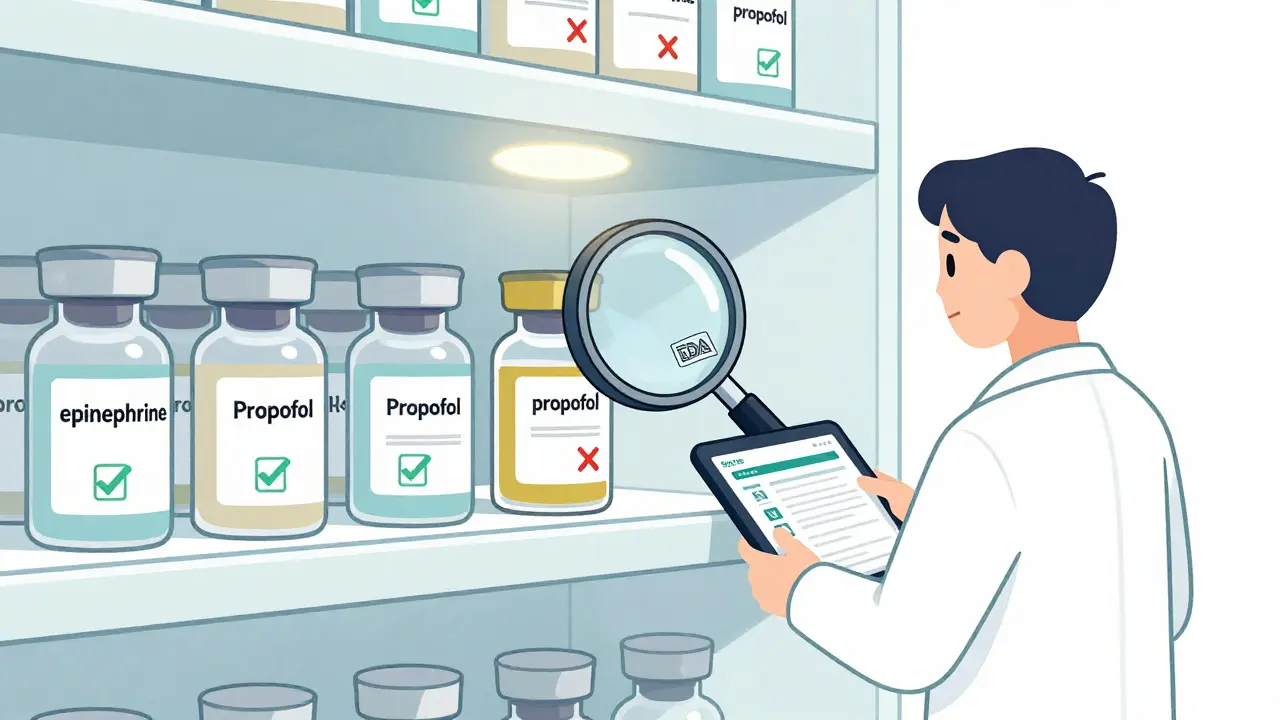
When a life-saving drug runs out, hospitals don’t just wait for more to arrive. In the U.S., the FDA has a quiet but powerful tool to keep patients covered: extended expiration dates. This isn’t a loophole or a last-minute fix-it’s a carefully controlled, science-backed process that lets certain drugs stay in use longer than their original labels say. And right now, it’s helping keep IV fluids, epinephrine, propofol, and other critical medications available when supply chains break down.
What Exactly Is an Extended Expiration Date?
Every drug has a printed expiration date. That’s the last day the manufacturer guarantees it’s safe and effective. But when a shortage hits-say, a factory shuts down or raw materials are delayed-the FDA can allow that date to be pushed back. This isn’t random. It’s based on real stability data. Manufacturers test batches of the drug over time to see if it still holds its strength, purity, and safety. If the data checks out, the FDA approves a longer use window.Most extensions add about a year. But some are longer. In October 2024, the FDA approved extending the use of certain Baxter IV solutions up to 24 months after manufacture. That’s double the normal shelf life. Other examples include Meperidine injection (extended from Sept 2025 to Jan 2026) and Ethiodized oil (extended from Dec 2025 to March 2026). These aren’t blanket changes. Each extension applies to specific lot numbers, not entire product lines.
Why Does This Happen?
Drug shortages aren’t new, but they’ve gotten worse. A drug is officially in shortage when demand exceeds supply. That could be because one company makes 90% of a drug and their factory has a quality issue. Or because a key ingredient comes from overseas and shipping is delayed. In 2024, the FDA tracked over 340 drugs with active shortages. Many of them are essentials: things like epinephrine for allergic reactions, propofol for anesthesia, or dantrolene for malignant hyperthermia. There are often no good substitutes.Before 2012, manufacturers didn’t have to tell the FDA about potential shortages until it was too late. The Food and Drug Administration Safety and Innovation Act (FDASIA) changed that. Now, they must report early-even if it’s just a temporary slowdown. That gives the FDA time to step in. One of the first tools they use? Extending expiration dates on existing stock.
How Does the FDA Decide Which Drugs Qualify?
Not every drug on the shortage list gets an extension. The FDA only approves them for drugs they classify as critical. That means:- The drug has no safe or effective alternative
- It’s used in life-threatening situations
- Stopping use could lead to serious harm or death
Propofol tops the list of drugs with extended dates. Why? Because it’s used in nearly every operating room. If it’s gone, surgeries stop. Epinephrine is another big one-no other drug works as fast for anaphylaxis. Dantrolene? Only one drug treats malignant hyperthermia, a rare but deadly reaction to anesthesia. When those drugs are short, the FDA acts fast.
The agency also looks at the quality of the stability data. Manufacturers must prove the drug hasn’t degraded. They test for chemical breakdown, microbial growth, and physical changes like cloudiness or sediment. The FDA reviews every piece of data. If the numbers don’t hold up, the extension is denied.
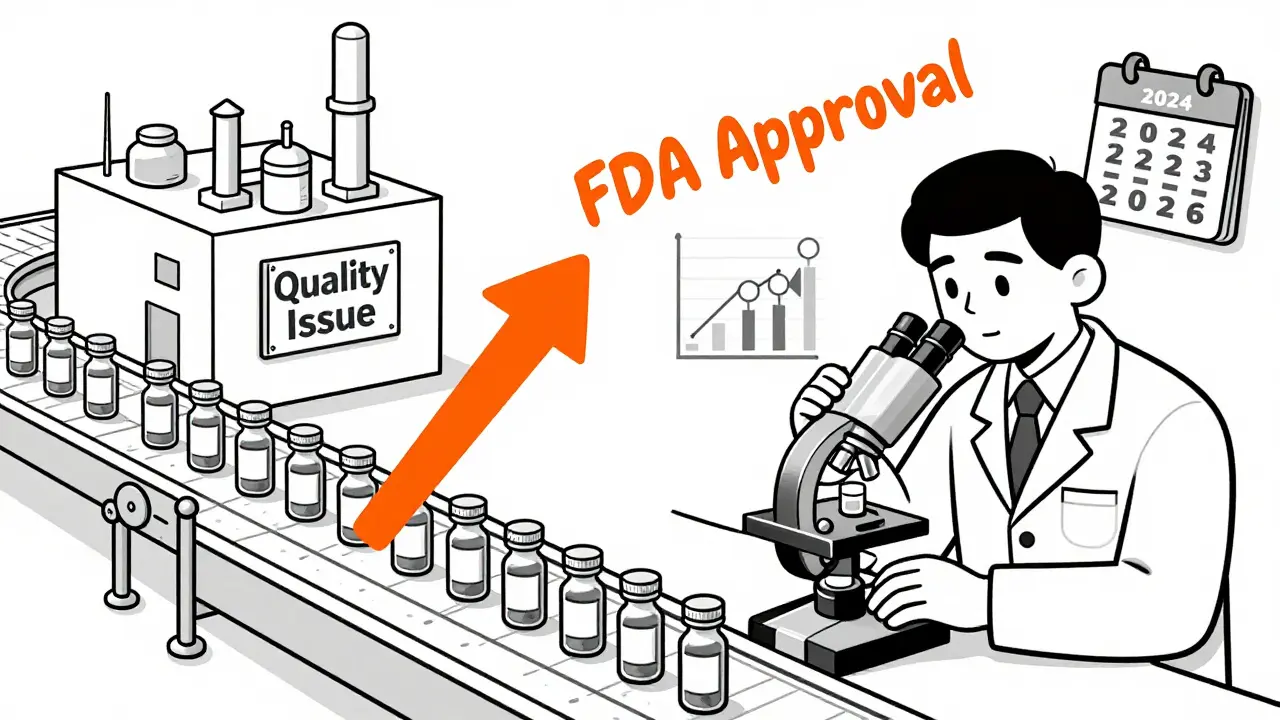
What About Safety? Isn’t It Risky to Use Expired Drugs?
This is the biggest question people ask. And the answer is: it’s not the same as using a drug past its original date without approval.When a drug expires, it doesn’t suddenly turn toxic. Most degrade slowly. The FDA’s extension program only applies to drugs that have been tested and proven to remain stable beyond their labeled date. In fact, the U.S. military’s Shelf-Life Extension Program has been doing this for decades-testing stockpiled medicines, including vaccines and antibiotics, and finding many remain effective years beyond their printed dates.
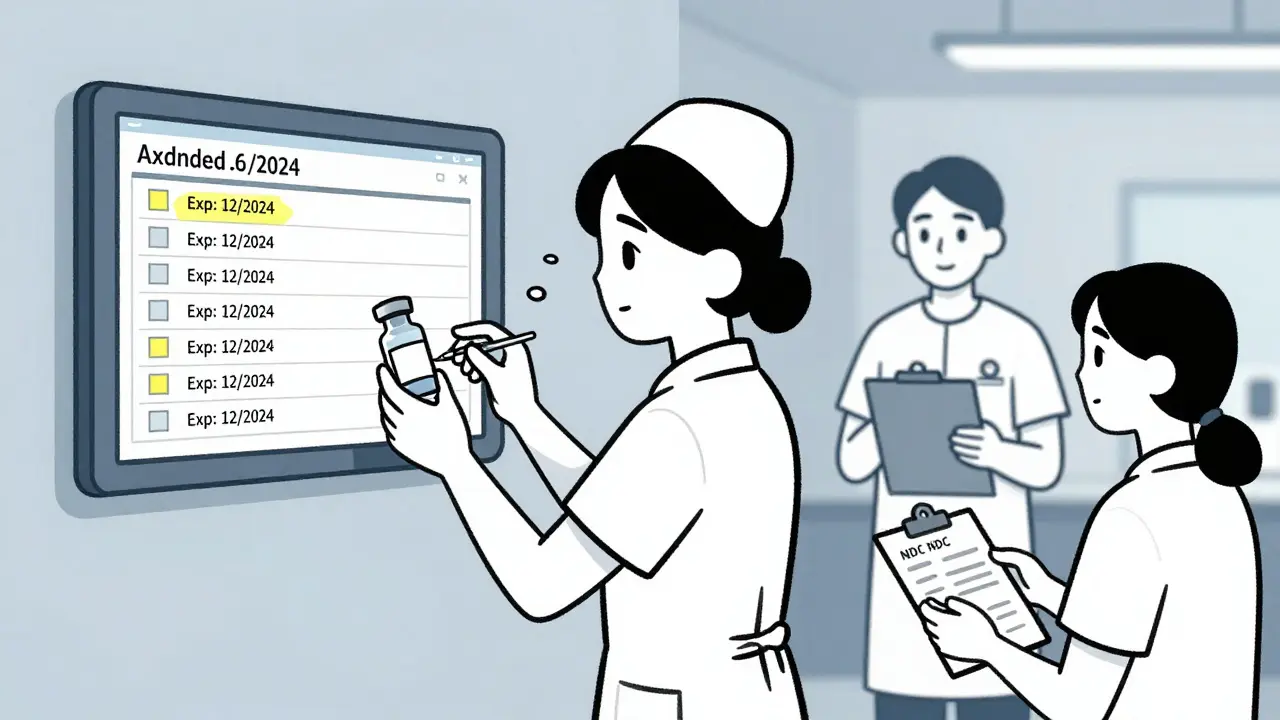
The FDA doesn’t require relabeling. So a vial of epinephrine might still say “expires 12/2024,” but the FDA has approved its use until 6/2026. Hospitals and pharmacies must check the FDA’s official list to confirm which lots are covered. They don’t guess. They look up the NDC number and lot number. If it’s not on the list, it’s expired.
Who Uses This Information?
This isn’t just an FDA internal process. Hospitals, pharmacies, and clinics rely on it daily. The American Hospital Association (AHA) sends out bulletins when new extensions are approved. The FDA maintains a searchable, daily-updated database on its website. Many hospitals have updated their pharmacy systems to flag extended lots so nurses don’t accidentally throw out usable medication-or worse, give out one that’s truly expired.But it’s not foolproof. Staff need training. Inventory systems must track lot numbers. A single mistake could mean a patient gets a drug that’s not safe. That’s why the FDA stresses: only use extended-date products if you’ve verified the lot number on their official list.
What Happens When Supply Returns?
The FDA is clear: these extensions are temporary. They’re not meant to replace new production. Once more of the drug becomes available, hospitals are expected to stop using the extended lots and properly dispose of them. You won’t see a recall notice-because these aren’t unsafe drugs. They’re just no longer needed.That’s why the FDA also works on longer-term fixes: helping manufacturers fix quality issues, speeding up inspections, and even identifying alternative suppliers. But when time is short and lives are on the line, extending expiration dates is the fastest way to bridge the gap.
Is This a Long-Term Solution?
No. And the FDA admits it. Expiration date extensions are a crisis response, not a cure. The real problem? Too many critical drugs are made by just one or two factories. If one fails, there’s no backup. Global supply chains are fragile. Regulatory delays slow down new production. And the cost of making small-batch or older drugs isn’t profitable for many companies.That’s why experts say we need better planning: more manufacturers, better inventory buffers, and incentives to keep making essential but low-margin drugs. But until those changes happen, expiration date extensions remain one of the most reliable tools the FDA has to protect patients.
How to Stay Informed
If you’re a patient, you don’t need to track this yourself. Your doctor or pharmacist will know if a drug’s availability has changed. But if you’re in healthcare, here’s what to do:- Check the FDA’s Drug Shortages page daily: fda.gov/drugshortages
- Verify lot numbers against the extended use date table
- Update your pharmacy inventory system to flag approved extensions
- Train staff on how to identify and handle extended-date products
- Never assume a drug is safe past its printed date unless it’s on the FDA’s official list
The FDA doesn’t regulate how doctors prescribe, but they do ensure the drugs available are as safe and effective as possible-even when supply is tight. These extended dates aren’t magic. They’re science, oversight, and urgent public health action working together.
Are drugs with extended expiration dates safe to use?
Yes, but only if the FDA has officially approved the extension for that specific lot. The FDA requires manufacturers to submit detailed stability data showing the drug still meets identity, strength, purity, and quality standards. These aren’t random extensions-they’re science-backed and closely reviewed. Never use a drug past its printed date unless you’ve confirmed its lot number is on the FDA’s official extended use list.
Do all drugs in shortage get extended expiration dates?
No. Only critical drugs with no safe alternatives qualify. The FDA prioritizes life-saving medications like epinephrine, propofol, and dantrolene. Most drugs on the shortage list do not receive extensions. The agency evaluates each drug based on clinical need, stability data, and whether alternatives exist.
How long are expiration dates typically extended?
Most extensions add one year, but some are longer. For example, during the 2024 IV fluid shortage, the FDA allowed certain Baxter products to be used up to 24 months after manufacture. The length depends on the stability data submitted by the manufacturer and the FDA’s review. Extensions are always specific to a lot number, not the entire product line.
Do I need to relabel drugs with extended expiration dates?
No. The FDA does not require or recommend relabeling. The original expiration date on the vial or package stays as-is. Healthcare providers must check the FDA’s official database to see which lots have approved extensions. It’s up to pharmacies and hospitals to track these lots internally using NDC and lot numbers.
What should I do if my hospital runs out of a critical drug?
First, check the FDA’s Drug Shortages page to see if the drug has an approved expiration date extension for your lot. If not, consult your pharmacy or clinical team for approved alternatives. The FDA does not regulate medical practice, so your provider may need to switch to another medication, adjust dosing, or delay treatment based on patient needs. Always follow your institution’s protocol for managing shortages.






15 Comments