

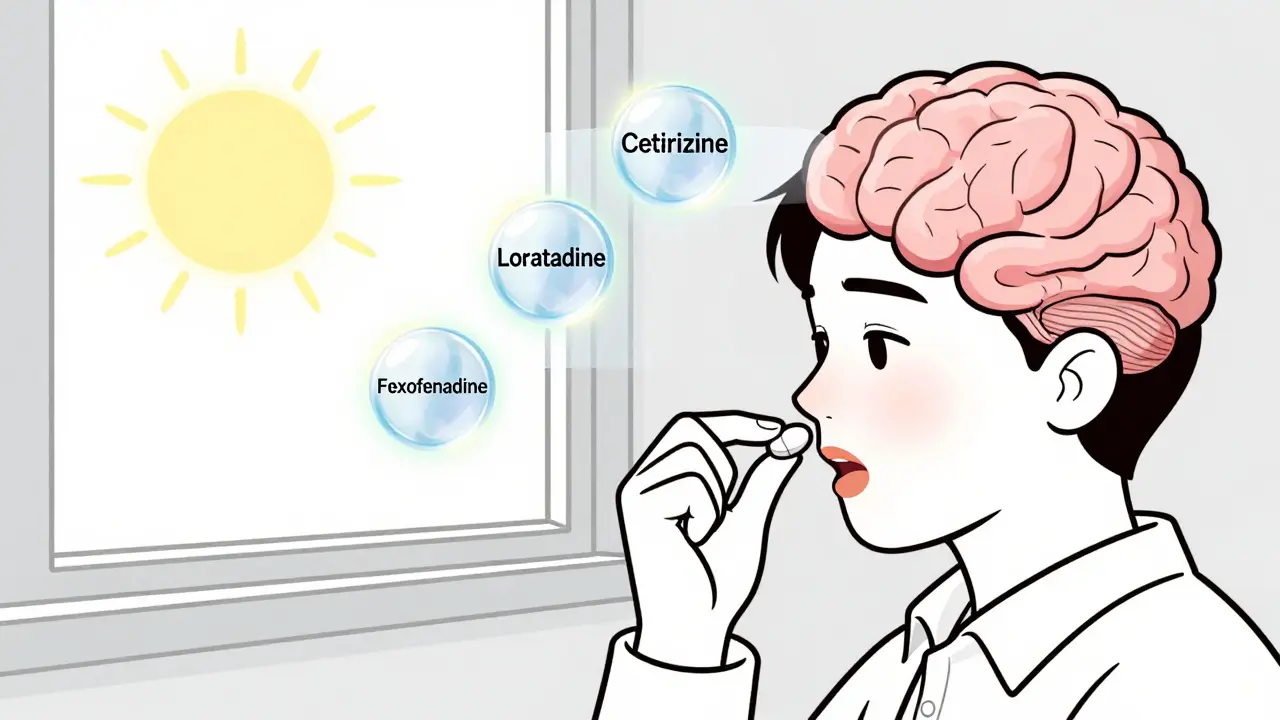
For millions of people with seasonal allergies, hay fever, or chronic hives, the old go-to remedy-Benadryl-used to mean one thing: sleep. That heavy, brain-fogging drowsiness wasn’t just annoying; it made driving, working, or even focusing on a conversation impossible. But in the last 30 years, a new wave of allergy medications changed everything. Second-generation antihistamines were designed to do the same job as the old ones-block histamine and stop sneezing, itching, and runny noses-but without knocking you out. And for most people, they deliver.
How Second-Generation Antihistamines Work
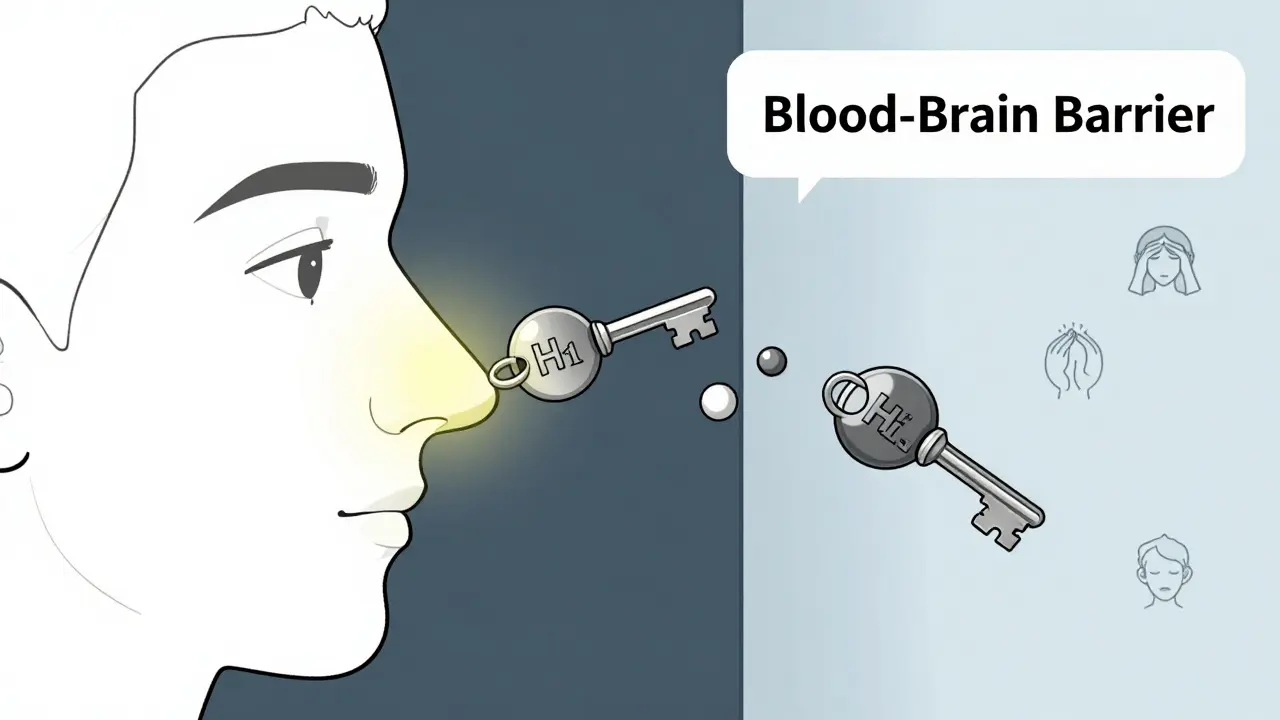
These drugs target the H1 receptor, the same one that histamine activates during an allergic reaction. But unlike first-generation antihistamines like diphenhydramine or chlorpheniramine, they’re built differently. They’re larger, more polar molecules. Think of them as too big and too water-friendly to slip easily through the blood-brain barrier. That’s the key. First-gen drugs cross into the brain, interfere with neurotransmitters, and make you sleepy. Second-gen ones? They mostly stay outside, working where they’re needed: in your nose, skin, and throat.
Studies using cryo-electron microscopy show these drugs lock into a deep pocket in the H1 receptor, blocking histamine from triggering the allergic response. This precise fit means they’re more selective-less likely to mess with other receptors in your body. That’s why they don’t cause dry mouth, blurred vision, or urinary retention like older antihistamines often do.
The Top Three: Cetirizine, Loratadine, Fexofenadine
Today, three names dominate the shelf: cetirizine (Zyrtec), loratadine (Claritin), and fexofenadine (Allegra). Each has its own quirks.
- Cetirizine works fast-peak effect in about an hour. It’s the most potent of the three, but it’s also the one most likely to cause mild drowsiness. About 14% of users report feeling a little tired, even though clinical trials say it’s only 6-14% as sedating as first-gen drugs. Still, for some, that’s enough to notice.
- Loratadine is known for being gentle. It’s less likely to cause drowsiness than cetirizine, but it also takes a bit longer to kick in. Some users swear by it. Others say it just doesn’t cut it for their worst allergy days.
- Fexofenadine is the least likely to cause side effects. It’s metabolized minimally by the liver, which means fewer drug interactions. It’s also the only one that doesn’t need to be broken down much before it works. Most of it just passes through the body unchanged. That’s why it’s often the go-to for people on other meds or with liver concerns.
All three last 24 hours. That’s a game-changer. First-gen antihistamines? You had to take them every 4-6 hours. Now, one pill in the morning covers you all day. No more midday naps.
What They Don’t Do
Here’s where people get tripped up. Second-generation antihistamines are excellent for sneezing, itching, and runny nose. But they’re not great for nasal congestion. Why? Because congestion comes from swollen blood vessels, not histamine. That’s why you’ll often see these drugs paired with decongestants like pseudoephedrine in products like Claritin-D or Allegra-D.
Studies show that when people with colds take second-gen antihistamines, they still sneeze just as much. That’s because colds involve viruses and other chemicals besides histamine. First-gen antihistamines, with their extra anticholinergic effects, can sometimes help with that-but they come with a trade-off: dry mouth, constipation, and more drowsiness.
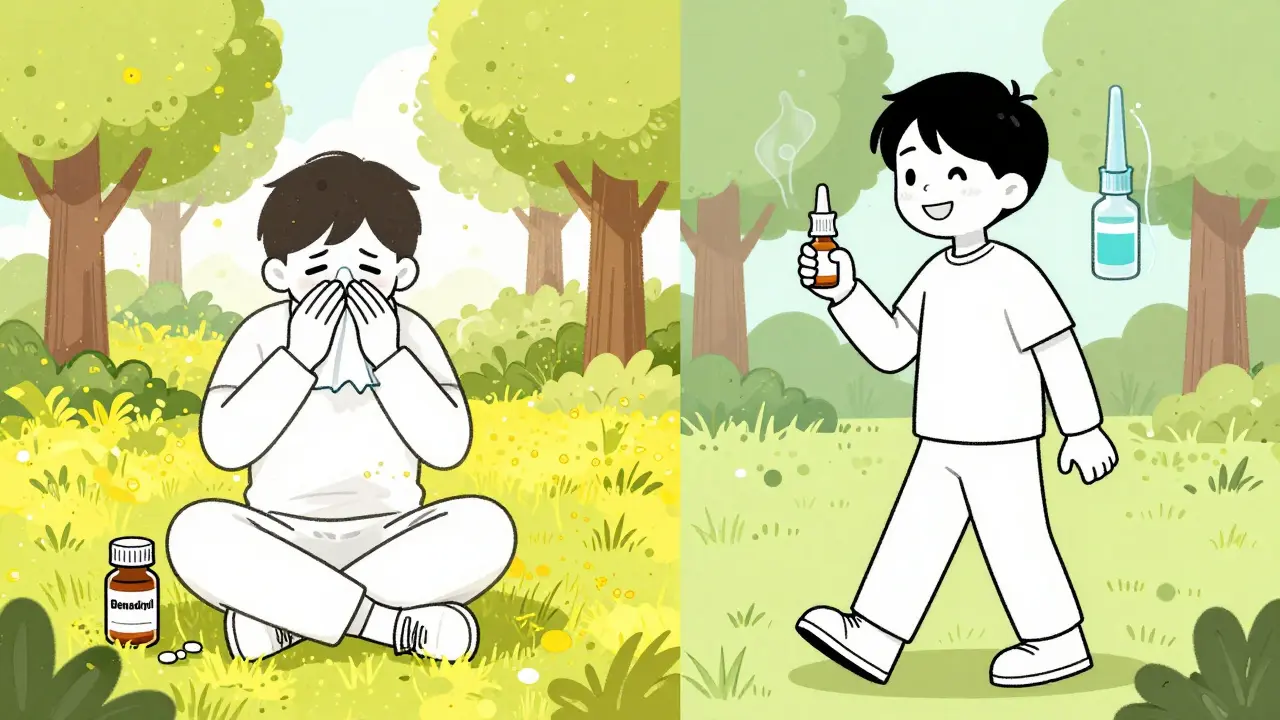
If you’re struggling with congestion, don’t blame the med. You just need a combo approach. A nasal spray like Flonase or Nasacort works better for swelling than any oral antihistamine.
Side Effects: Less, But Not None
Yes, these drugs are safer. But that doesn’t mean they’re perfect.
Headaches? Common. About 1 in 5 users report them, especially with loratadine. It’s usually mild and goes away after a few days. Taste disturbances? Rare, but real. Some people say everything tastes metallic or bitter after taking fexofenadine. It’s not dangerous, just weird.
And yes, drowsiness still happens. Even though clinical trials say it’s rare, real-world data from WebMD shows 23% of cetirizine users report feeling sleepy. Why? Because everyone’s body is different. Genetics, liver function, even what you eat can affect how your body processes these drugs.
Drug interactions? Mostly low risk now. The old ones-terfenadine and astemizole-were pulled because they caused dangerous heart rhythms when mixed with certain antibiotics or grapefruit juice. But today’s versions? Fexofenadine and loratadine have almost no cardiac risk. Cetirizine? Still a tiny concern if you’re on other meds that affect the liver. Always check with your pharmacist if you’re on statins, antifungals, or antibiotics.
Real User Experiences
Reddit threads and review sites tell a clear story. One top-rated comment on r/Allergies says: “Fexofenadine works great for my seasonal allergies without making me sleepy like Benadryl did, but I still need Flonase for congestion.” That’s the pattern: effective for itching and sneezing, weak for stuffiness.
Another user on Drugs.com wrote: “Loratadine gave me severe headaches for 3 days straight until I stopped taking it-switched to cetirizine which works fine.” That’s not a fluke. People respond differently. That’s why doctors often recommend trying two or three before settling on one.
Consumer Reports found that 68% of allergy sufferers prefer second-gen antihistamines over first-gen. But 41% still need extra help-usually a nasal spray or eye drops. It’s not that these drugs fail. It’s that allergies are complex. One pill rarely does it all.
When and How to Take Them
Take them before you’re exposed. If you know you’re heading into a park full of ragweed, take your pill 1-2 hours before. Studies show pre-exposure dosing cuts symptoms by 40-50% compared to taking it after they start.
Don’t double up. These aren’t like painkillers. One dose lasts 24 hours. Taking more won’t make it stronger-it might just make you feel worse.
Take them at the same time every day. Consistency matters. Your body builds a steady level of the drug in your system. Skipping days means you’re playing catch-up.
And remember: OTC labels are often too vague. Prescription inserts give more detail. If you’re unsure, ask your pharmacist. They see hundreds of these questions every week.
What’s Next?
Researchers are already looking beyond these drugs. A 2024 study in Nature Communications uncovered a second binding site on the H1 receptor. That could lead to third-generation antihistamines that are even more selective-targeting only the allergy response, with zero brain effects.
And new formulations are coming. A once-weekly version of bilastine is in the pipeline. For people who forget pills, that’s huge. Right now, 37% of users miss doses because they’re too busy or just don’t think about it.
Climate change is also changing the game. Pollen counts are rising. By 2050, they could be 30% higher. That might mean higher doses or more frequent use for some. But for now, second-gen antihistamines remain the most reliable, safest option we have.
Bottom Line
Second-generation antihistamines aren’t magic. They won’t fix congestion. They won’t work instantly. And they might still make you a little sleepy. But they’re the best balance we’ve got: powerful allergy relief without the grogginess. If you’re still using Benadryl every day, it’s time to switch. Try fexofenadine if you want the cleanest profile. Try cetirizine if you need the strongest effect. And if congestion’s still a problem? Add a nasal spray. You don’t need to suffer. You just need the right combo.
Are second-generation antihistamines safe for long-term use?
Yes. Studies tracking users for over 10 years show no increased risk of liver damage, heart issues, or dependency with loratadine, cetirizine, or fexofenadine. The FDA has approved them for daily, long-term use. The main concern is whether they’re still effective for your symptoms over time-some people develop tolerance, but that’s rare. If your allergies worsen, it’s more likely due to changing allergens or environmental factors than drug tolerance.
Can I take second-generation antihistamines with other allergy meds?
Yes, and it’s often recommended. Many people combine them with nasal corticosteroids (like Flonase or Rhinocort) or eye drops for better overall control. Antihistamines handle itching and sneezing; nasal sprays handle congestion. Avoid combining them with first-gen antihistamines or decongestants unless directed by a doctor. Combining multiple antihistamines can increase side effects without improving results.
Why do some people still get drowsy on second-generation antihistamines?
Everyone’s blood-brain barrier is slightly different. Genetics, age, liver health, and even what you eat can affect how much of the drug crosses into the brain. Cetirizine, for example, has a higher chance of causing drowsiness because it’s slightly more lipophilic than fexofenadine. Also, if you’re taking other meds that slow liver metabolism (like certain antibiotics or grapefruit juice), your body may process the antihistamine slower, leading to higher blood levels and more side effects.
Is one second-generation antihistamine better than the others?
There’s no single “best.” Fexofenadine has the fewest side effects and drug interactions. Cetirizine is strongest for itching and sneezing. Loratadine is gentle and widely available. The best one is the one that works for you with the least side effects. Many people try two or three before finding their match. Don’t give up after one try.
Do I need a prescription for second-generation antihistamines?
No. All three main ones-loratadine, cetirizine, and fexofenadine-are available over-the-counter in the U.S. Generic versions cost as little as $5 for a 30-day supply. Prescription versions exist for higher doses or special formulations, but they’re not necessary for most people. Insurance rarely covers them because they’re so affordable without it.





11 Comments