

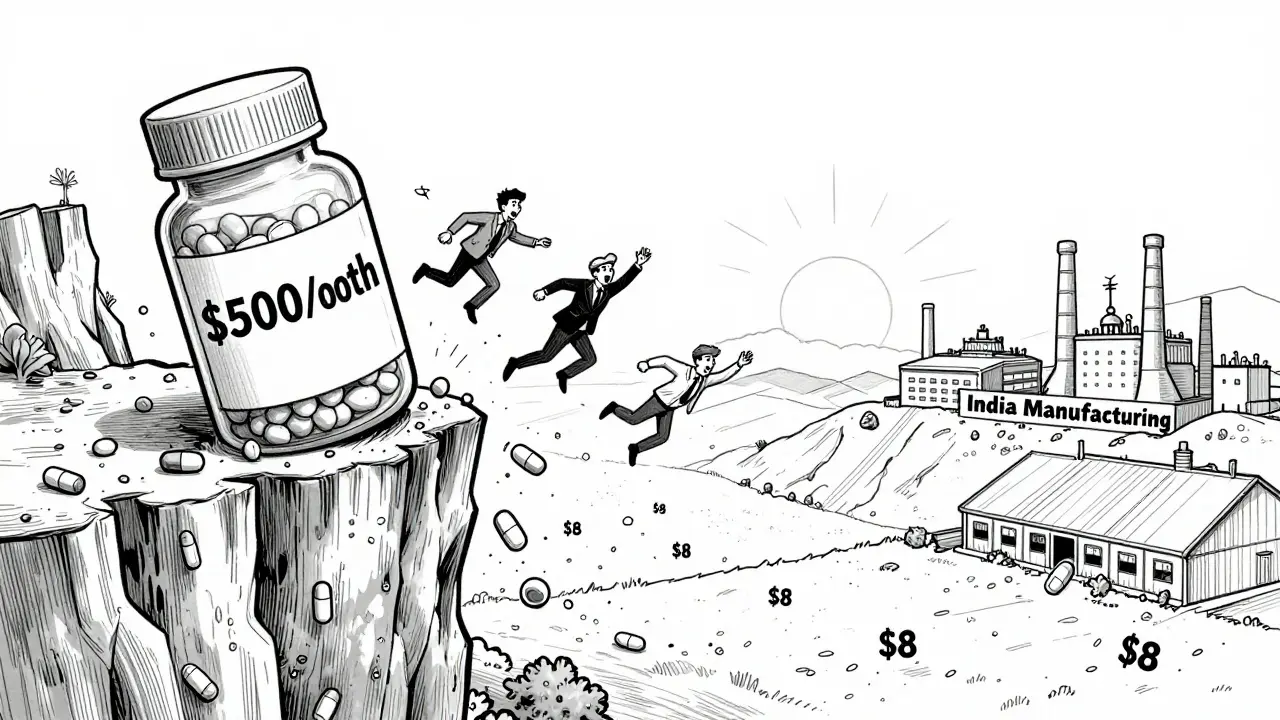
When a brand-name drug loses its patent, everything changes. The price drops by 80% overnight. Sales collapse. Investors panic. And suddenly, the company that spent billions developing that drug is fighting for survival-not because the medicine stopped working, but because someone else started making it cheaper.
The Patent Cliff: When Revenue Vanishes Overnight
Imagine you’ve built a profitable business selling a single product. You’ve spent 12 years and $2 billion on research, clinical trials, and marketing. Then, on day one of patent expiration, 15 other companies start selling the exact same thing-for 15% of the price. That’s not hypothetical. That’s what happens to brand manufacturers every time a major drug goes generic. Take Humira, the top-selling drug in the world until 2023. AbbVie made over $20 billion a year from it. When biosimilars entered the market, revenue dropped 85% in the first year. That’s not a slow decline. That’s a cliff. And it’s not rare. The Congressional Budget Office found that within 12 months of generic entry, most small-molecule drugs lose 90% of their sales volume to generics. Brand manufacturers don’t just lose sales-they lose their entire business model. Their profits relied on monopoly pricing. Once that’s gone, they’re left with a product that’s no longer profitable to sell under their own name.Generics Aren’t Just Cheaper-They’re a Different Business
Generic drugs aren’t inferior versions. They’re identical in active ingredients, dosage, safety, and effectiveness. The FDA requires them to meet the same standards as brand-name drugs. The only difference? Price. Here’s how the economics work: A brand drug might cost $500 a month. Once generics enter, the price can drop to $30. Then, as more companies join the market, it falls to $15. Then $8. Each new competitor drives prices down further. The FDA tracked 2,400 new generics approved between 2018 and 2020 and found that just three competitors could cut prices by 20% within three years. With five or more, prices often fall below 10% of the original brand price. That’s not a market-it’s a race to the bottom. Generics are commodities. No one buys them because they’re better. They buy them because they’re cheaper. The only advantage a generic maker has is cost efficiency. That’s why manufacturing in India and China dominates the market. It’s why companies like Teva, Sandoz, and Mylan compete on production scale, not innovation.Brand Manufacturers Don’t Just Sit Back
No brand company wants to lose its biggest revenue driver. So they fight back-with legal tricks, marketing moves, and strategic shifts. One common tactic is “pay for delay.” A brand manufacturer pays a generic company to hold off on launching its version. The FTC estimates these deals cost U.S. consumers $3.5 billion a year in higher prices. In 2023, the Blue Cross Blue Shield Association found that nearly $3 billion of that came directly from patients’ pockets. Another trick is “product hopping.” A company slightly changes a drug-switching from a pill to a liquid, or adding a new coating-and files a new patent. This resets the clock. The CBO estimates ending these practices would save $1.1 billion over ten years. Then there’s patent thickets-filing dozens of minor patents around a single drug to block competitors. Some drugs have over 100 patents. It’s not about protecting innovation. It’s about delaying competition.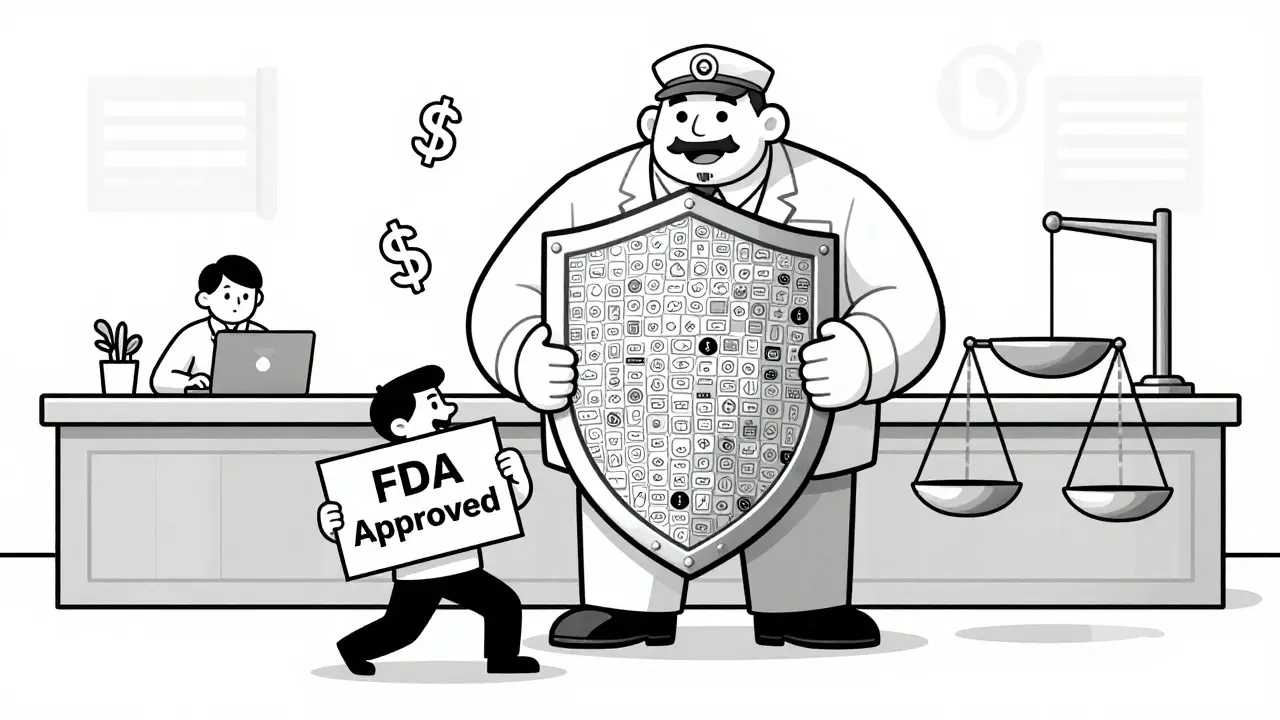
Who Really Benefits From Generics?
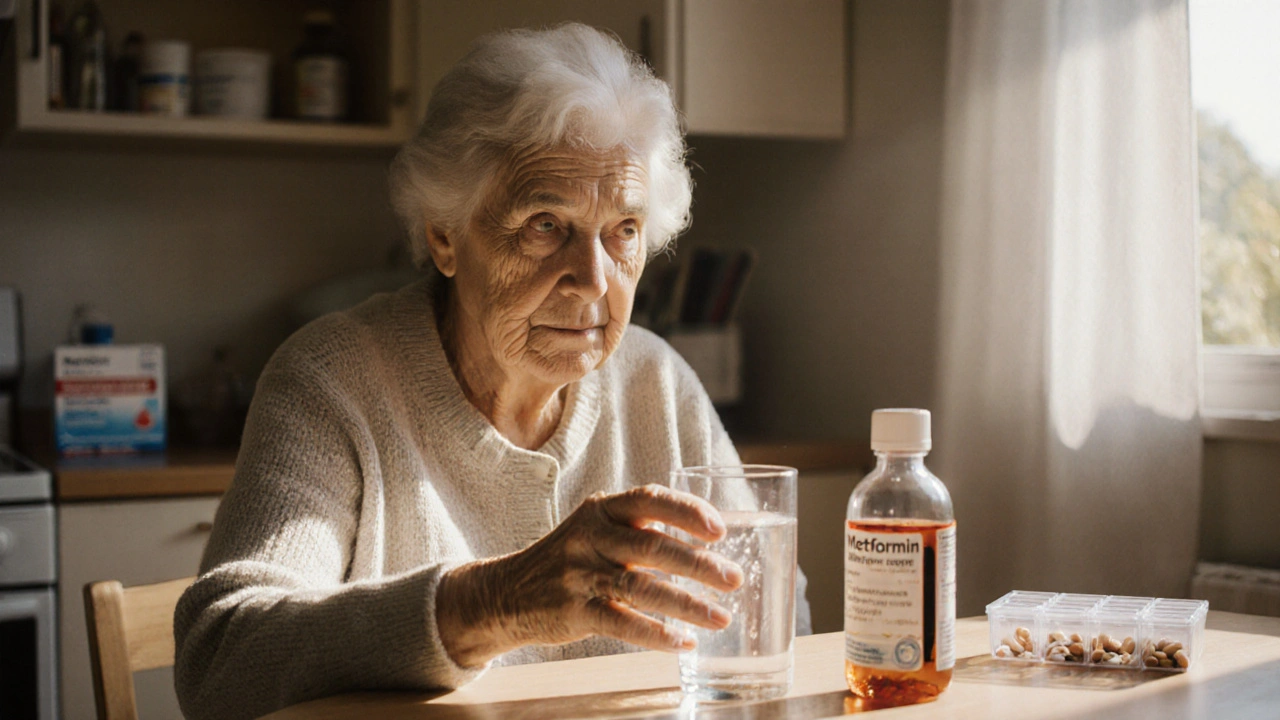
The public thinks generics save money. And they do-$330 billion a year, according to the Schaeffer Center at USC. The Congressional Budget Office estimated $253 billion in savings just in 2014. But here’s the catch: patients don’t always see those savings. Pharmacy Benefit Managers (PBMs) control how much pharmacies get paid for generics. They negotiate rebates with manufacturers, but those rebates aren’t passed to patients. Instead, they inflate the list price so the PBM can take a bigger cut. A 2022 Schaeffer Center study found patients pay 13-20% more for generics than they should because of these opaque deals. Pharmacists on Reddit report losing money on generic prescriptions because PBM reimbursement rates change weekly. One pharmacist wrote: “I filled a 30-day supply of metformin for $4. The pharmacy got $2.75. The rent is $3,000 a month.” Meanwhile, brand manufacturers still charge high prices for new drugs. In January 2025, big pharma’s median price increase on 250 drugs was 4.5%-nearly double inflation. So while generics save billions, the system still pushes costs onto patients through other channels.The New Strategy: Splitting the Business
Some brand manufacturers realized they couldn’t survive by clinging to old models. So they split. Novartis spun off its generics division, Sandoz, into a separate company in October 2022. Pfizer and others have followed suit with “authorized generics”-launching their own generic versions under a different label. That way, they capture a slice of the low-price market instead of losing it all. Others are shifting focus entirely. Companies are pouring money into biologics, gene therapies, and personalized medicines-drugs so complex that generics can’t easily copy them. GLP-1 weight-loss drugs like Ozempic and Wegovy are the new gold rush. These aren’t pills you can replicate overnight. They’re biologics. They’re expensive to make. And they’re protected by patents for decades. The result? Brand manufacturers are becoming more like tech startups-focused on high-margin, hard-to-copy products-while generics handle the low-margin, high-volume basics.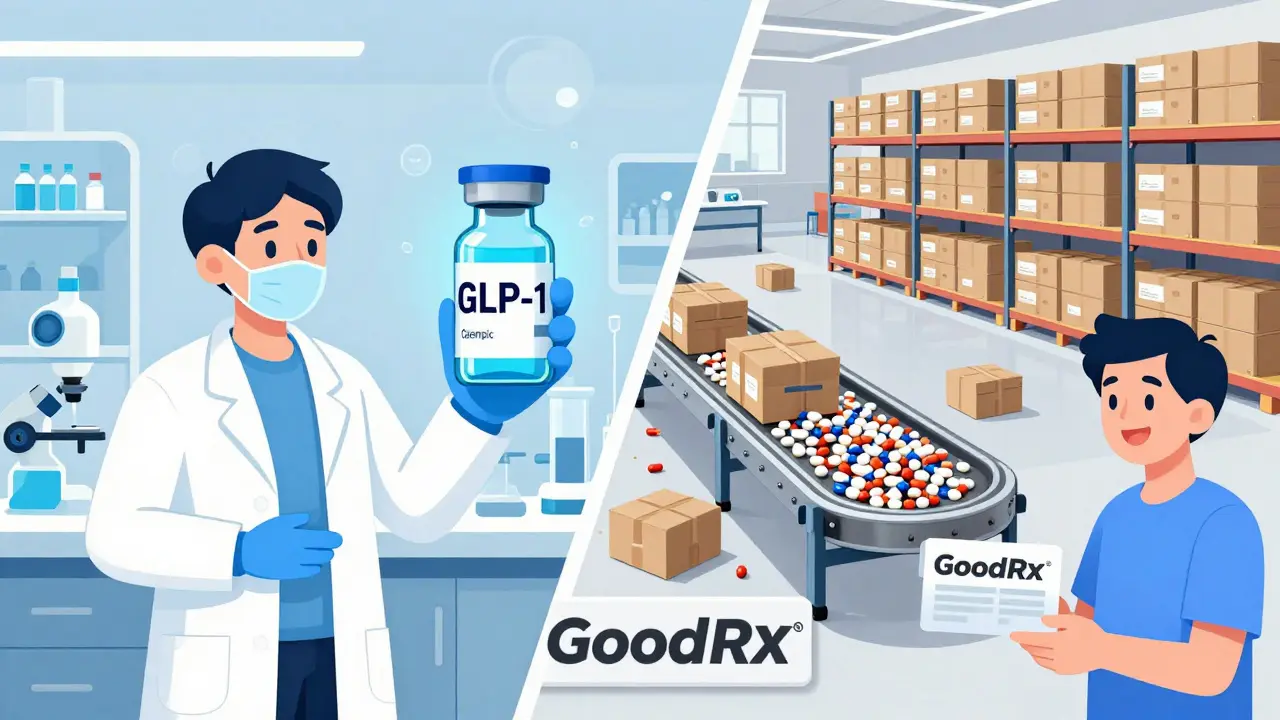
The Future: More Expirations, More Pressure
By 2028, an estimated $400 billion in brand drug revenue will be at risk from patent expirations. That’s more than the entire annual budget of the CDC. The FDA is trying to speed up generic approvals through GDUFA, a program funded by $1.1 billion in industry fees through 2027. But even faster approvals won’t fix the deeper problem: the system rewards delay, not competition. Bipartisan bills in Congress aim to ban “pay for delay” deals. If passed, they could save $45 billion over ten years. But big pharma lobbies hard against them. The tension is simple: society needs affordable medicine. But innovation needs profit. Generics solve the affordability problem. But they break the old profit model.What This Means for Patients
You’re not powerless in this system. Here’s what you can do:- Ask your doctor if a generic is available for your prescription. It’s almost always an option.
- Use mail-order pharmacies or discount programs like GoodRx. They often show the lowest cash price-even if your insurance says otherwise.
- Be aware that your PBM might be inflating your costs. If your generic costs more than $10 for a 30-day supply, you’re likely overpaying.
- Support policies that ban pay-for-delay and require transparency in PBM pricing.




9 Comments