

Taking medication shouldn’t feel like a guessing game. Yet every year, millions of people accidentally take the wrong dose, mix dangerous combinations, or skip doses because they’re unsure what they’re supposed to do. The good news? Simple, proven rules can cut those risks dramatically. These aren’t just hospital protocols-they’re practical, everyday steps anyone can follow to stay safe at home.
Rule 1: Know Exactly What You’re Taking
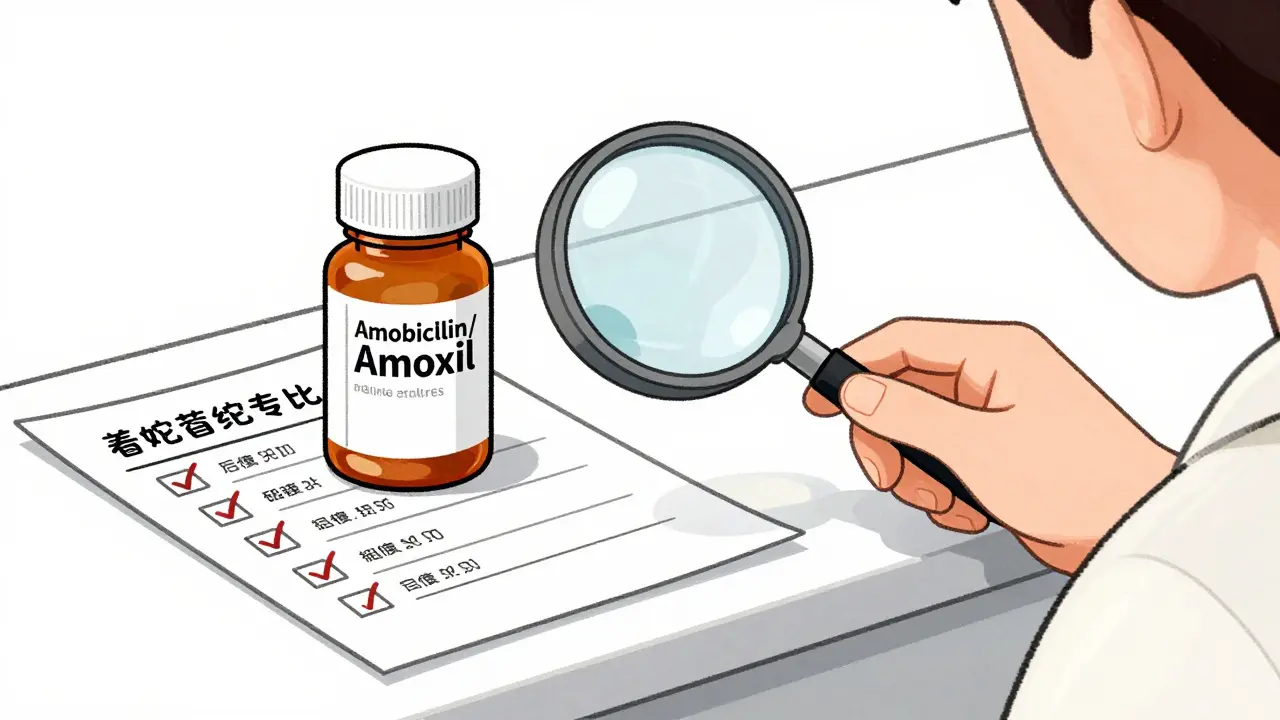
It sounds obvious, but many medication errors start with confusion over the name. You might get a prescription for amoxicillin, but the label says Amoxil. Or worse, you pick up a refill and the pill looks different-same drug, different manufacturer. Look-alike, sound-alike drugs cause about 25% of reported errors, according to the Institute for Safe Medication Practices.
Always check both the generic and brand name on the label. Keep a written list of all your medications, including dosages and why you take them. Update it every time your doctor changes something. Bring this list to every appointment. If you’re unsure whether a pill is right, don’t guess. Call your pharmacist. They’re trained to spot mismatches.
Also, pay attention to how the medication looks. Is it a white oval? A blue capsule? A chewable tablet? If the shape, color, or size changes without explanation, ask. Some patients report harm because they didn’t notice their insulin pen looked different-until they injected the wrong strength.
Rule 2: Take It at the Right Time
Timing matters more than you think. Some medications work best on an empty stomach. Others need to be taken with food to avoid nausea. Blood pressure pills, insulin, and antibiotics often need to be spaced evenly-every 8 or 12 hours-not just “twice a day.”
Studies show that missing or delaying doses by more than 30 minutes can reduce effectiveness or even cause dangerous spikes in symptoms. For example, skipping an antibiotic dose lets bacteria survive and multiply. Taking blood thinners late can raise your risk of clots.
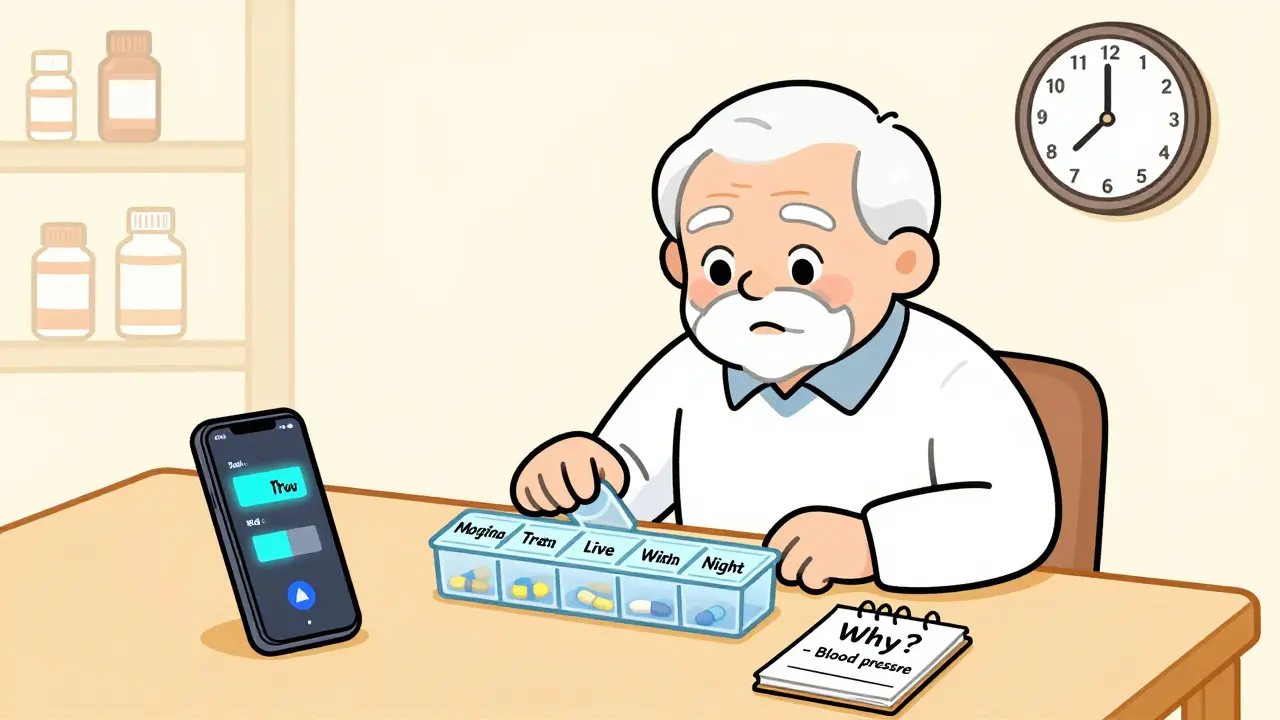
Use a pill organizer with labeled compartments. Set phone alarms. Apps like Medisafe or MyTherapy send reminders and track adherence. If you’re on five or more medications, talk to your pharmacist about a medication review. Many clinics offer free “brown bag” reviews where you bring all your bottles, and they check for overlaps or timing conflicts.
And don’t assume “once a day” means anytime. Some drugs are meant for morning (like thyroid meds), others at night (like statins). Always follow the label-or ask if it’s unclear.
Rule 3: Use the Right Route
Not all pills are meant to be swallowed. Some are meant to be placed under the tongue (sublingual), pressed into the cheek (buccal), or even sprayed into the nose. Applying a patch meant for skin to your mouth? That’s dangerous.
One in six medication errors involves the wrong route, according to the Agency for Healthcare Research and Quality. A common mistake? Crushing pills that shouldn’t be crushed. Extended-release tablets, for example, are designed to release medicine slowly over hours. Crush them, and you get a full dose all at once-risking overdose.
Check the label for instructions: “Swallow whole,” “Do not crush,” “Take with water.” If you have trouble swallowing pills, ask your doctor or pharmacist for alternatives: liquid, patch, or inhaler versions exist for many drugs. Never assume a pill can be split unless it has a score line and your provider says it’s safe.
Rule 4: Confirm the Right Dose
Dosing errors are among the most dangerous. A tiny mistake-like confusing 5 mg with 50 mg-can be fatal. This is especially true for children, seniors, and people with kidney or liver problems.
Always double-check the units. Is it milligrams (mg) or micrograms (mcg)? That’s a 1,000-fold difference. Insulin, thyroid meds, and blood thinners are high-alert drugs where even small mistakes cause serious harm. In fact, 28% of serious medication errors involve these three.
Use a proper measuring tool. Don’t guess with kitchen spoons. A teaspoon holds 5 mL, but a tablespoon holds 15 mL-big difference. Use the syringe or cup that came with the medicine. If it didn’t come with one, ask your pharmacy for one. They’re free.
For seniors or caregivers, ask your doctor: “Is this dose adjusted for age or kidney function?” Many older adults need lower doses because their bodies process drugs slower. Don’t be shy about asking. It’s your safety.
Rule 5: Watch for Reactions and Report Changes
Medication safety doesn’t end when you swallow the pill. You need to watch what happens next. Side effects don’t always show up right away. Some appear after days or weeks.
Keep a simple log: “Took my pill. No nausea. Slight dizziness. Slept well.” Note any new symptoms-rash, confusion, swelling, bleeding, unusual fatigue. These could be signs of an interaction, allergy, or overdose.
Some reactions are silent. Warfarin, for example, can cause internal bleeding without pain. If you notice bruising easily, nosebleeds, or dark stools, get checked. Diabetes meds can cause low blood sugar. If you feel shaky, sweaty, or confused, test your glucose.
Also, don’t ignore new symptoms after starting a new drug. It’s not “just aging.” If you started a new blood pressure pill and now have a dry cough, that’s a known side effect of ACE inhibitors. Tell your doctor. They might switch you.
And remember: supplements count. St. John’s Wort can make birth control fail. Grapefruit can wreck statins. Even vitamin K can interfere with blood thinners. Always tell your provider what you’re taking-herbs, vitamins, over-the-counter pills.
What About the Hospital Rules? Can They Help at Home?
You’ve probably heard of the “Five Rights” from nurses: right patient, right drug, right dose, right route, right time. Those were designed for hospitals, but they’re just as useful at home.
At home, you’re the nurse. You’re the pharmacist. You’re the doctor. So apply those rules yourself:
- Right patient? Are you sure the meds are yours? Don’t grab a spouse’s pill bottle.
- Right drug? Did the label match your list?
- Right dose? Did you measure it correctly?
- Right route? Are you swallowing, not crushing?
- Right time? Did you take it when you were supposed to?
Adding one more: right reason. Why are you taking this? Is it for blood pressure? Infection? Anxiety? If you can’t answer that, ask. You’re less likely to skip doses or take extra if you understand why they matter.
Real-Life Tips That Actually Work
Here’s what works for real people:
- Pill organizers help 68% of seniors stay on track.
- Smartphone alarms are used by over half of adults under 50.
- Pharmacist reviews catch an average of 3 dangerous interactions per patient.
- Tall man lettering (like HYDROmorphone vs. HYDROxyzine) helps avoid mix-ups-ask your pharmacy if they use it.
- Keep all meds in original containers-no dumping into random jars.
And if you’re ever unsure? Pause. Ask. Call your pharmacist. They’re paid to answer questions like this. No judgment. No rush.
Final Thought: Safety Is a Habit, Not a One-Time Check
Medication safety isn’t about being perfect. It’s about building habits that catch mistakes before they hurt you. One wrong pill can lead to a hospital visit. One missed check can cost you weeks of recovery.
Start small. Pick one rule to focus on this week. Maybe it’s checking your pill bottle before you take it. Or setting a daily alarm. Or writing down why you take each drug.
These rules aren’t just for hospitals. They’re for you. And they work.
What should I do if I miss a dose of my medication?
Don’t double up unless your doctor or pharmacist says it’s safe. For most medications, take the missed dose as soon as you remember-if it’s close to the next dose, skip it. For antibiotics, blood thinners, or insulin, timing is critical. Always check the label or call your provider. When in doubt, contact your pharmacist-they have access to drug databases that tell you exactly what to do.
Can I crush or split my pills to make them easier to take?
Only if the label says it’s okay or your pharmacist confirms it. Many pills-especially extended-release, enteric-coated, or capsule forms-can become dangerous if crushed. Crushing them releases the full dose at once, which can lead to overdose. Some medications, like certain blood pressure pills or opioids, are especially risky. Always ask before splitting or crushing.
Why do some medications need to be taken with food and others on an empty stomach?
Food can affect how your body absorbs medicine. Some drugs are absorbed better with food-like antibiotics (amoxicillin) or statins-while others, like thyroid meds or certain antibiotics (tetracycline), are blocked by calcium or iron in food. Taking them on an empty stomach ensures they work properly. Always follow the label. If it says “take on an empty stomach,” wait at least 1 hour before or 2 hours after eating.
Are over-the-counter drugs safe to take with my prescription meds?
Not always. Common OTC drugs like ibuprofen, antacids, or cold medicines can interact with prescriptions. For example, ibuprofen can increase bleeding risk if you’re on blood thinners. Antacids can block absorption of antibiotics or thyroid meds. Even vitamin E or fish oil can thin your blood. Always check with your pharmacist before adding any new OTC product-even if it’s labeled “natural.”
How can I tell if a medication has expired and is unsafe to use?
Check the expiration date on the label. For most pills, they’re still safe for months or even years past that date, but effectiveness drops. Liquid antibiotics, insulin, eye drops, and nitroglycerin should never be used past their expiration-they can become ineffective or even toxic. If the pill is discolored, cracked, smells funny, or the liquid looks cloudy, throw it out. When in doubt, ask your pharmacist. They’ll replace it for free.







10 Comments