


Getting a transplant is a life-saving miracle, but the surgery is only the first step. Your body is naturally wired to protect you by attacking foreign objects, and it views a new organ exactly like an intruder. To stop this, you need Immunosuppressants is a class of pharmacological agents designed to suppress the immune system's activity to prevent the recipient's body from rejecting a transplanted organ. Without these drugs, the risk of graft rejection is incredibly high. However, the catch is a delicate balancing act: too little medication and your body kills the organ; too much, and your immune system becomes so weak that a common cold or a fungal infection could become life-threatening.
Quick Safety Checklist for Transplant Patients
- Strict Timing: Take every dose at the exact same time daily to avoid "troughs" in drug levels.
- Avoid Grapefruit: Many immunosuppressants interact dangerously with grapefruit and certain herbal teas.
- Hygiene First: Frequent hand washing and wearing masks in crowds are non-negotiable.
- Lab Vigilance: Never miss a blood draw for drug level monitoring (Trough levels).
- New Meds: Always clear over-the-counter meds or vitamins with your transplant team.
Understanding the Different Classes of Transplant Meds
Not all anti-rejection drugs work the same way. Most doctors use a "cocktail" approach, combining different classes to lower the dose of each, which helps reduce the severe side effects associated with high doses of a single drug. Here are the primary players you'll likely encounter.
First, there are Calcineurin Inhibitors (CNIs). These are the heavy hitters. Drugs like Tacrolimus and Cyclosporine work by stopping T-cell activation. They are incredibly effective but hard on the kidneys. In fact, about 30-50% of long-term users of cyclosporine experience chronic nephrotoxicity (kidney damage). This creates a frustrating paradox where the drug saving the organ might also be damaging the kidney.
Then we have Corticosteroids, with Prednisone being the most common. These suppress a wide range of immune responses. While powerful, they often lead to systemic issues like osteoporosis in up to 50% of long-term users and can trigger new-onset diabetes in up to 40% of transplant recipients.
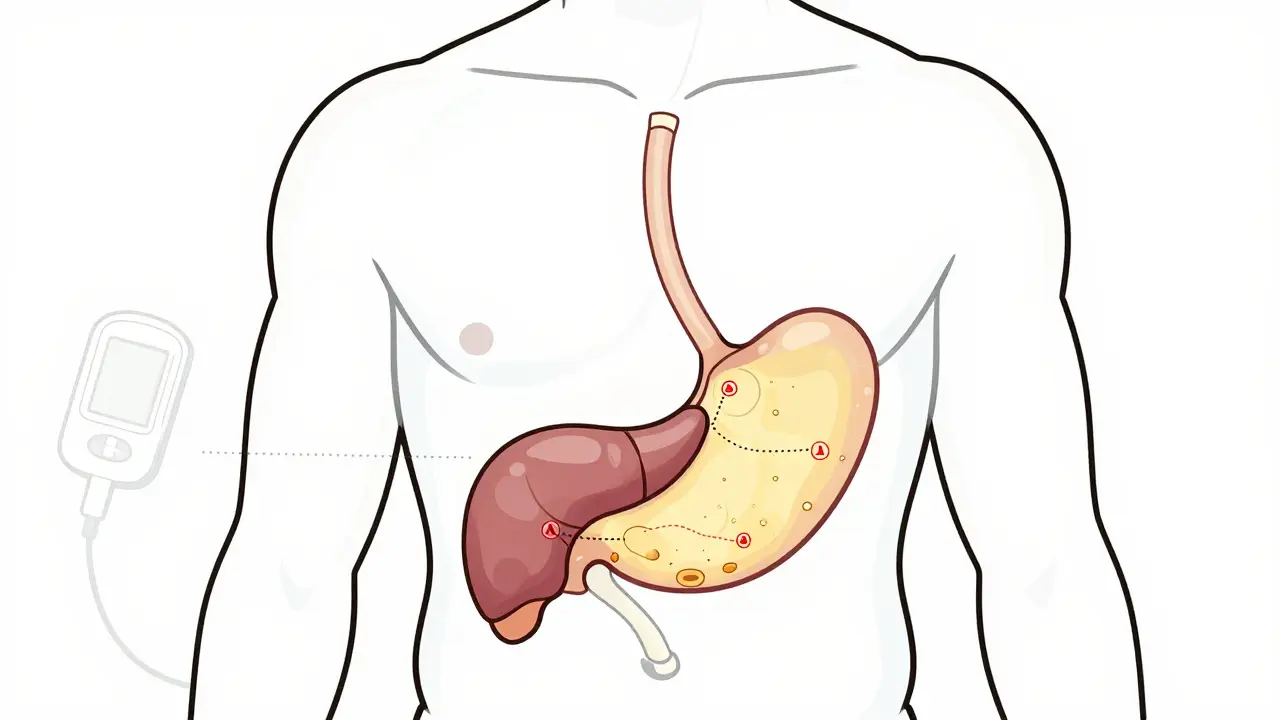
To round out the regimen, doctors often add antiproliferative agents. Mycophenolate Mofetil (MMF) is a frequent choice here. It stops the production of DNA in immune cells. The main trade-off here is gastrointestinal distress; roughly 30-50% of patients report diarrhea or abdominal pain when using MMF.
Finally, there are the mTOR Inhibitors, such as Sirolimus and Everolimus. These are often used if a patient can't tolerate CNIs because they are less likely to cause kidney failure. However, they come with a "black box warning" for increased infection risks and can seriously delay wound healing after surgery.
| Drug Class | Common Examples | Primary Target | Key Safety Risk |
|---|---|---|---|
| CNIs | Tacrolimus, Cyclosporine | T-Cell Activation | Kidney Toxicity (Nephrotoxicity) |
| Corticosteroids | Prednisone | General Inflammation | Diabetes, Bone Loss |
| Antiproliferatives | Mycophenolate Mofetil | Nucleotide Synthesis | GI Distress, Neutropenia |
| mTOR Inhibitors | Sirolimus, Everolimus | T-Cell Proliferation | Delayed Wound Healing |
The Danger of the "Missed Dose"
In most medicine, missing a pill is a nuisance. In transplant medicine, it's a crisis. Nonadherence is one of the biggest threats to graft survival. Research shows a staggering number of patients struggle with this; in one study of renal transplant patients, 55% were classified as nonadherent. This isn't always due to carelessness-complex dosing schedules and high costs are major barriers.
The consequences vary by organ. For heart transplant patients, skipping meds correlates with a 3.5-fold increase in the risk of transplant coronary artery disease. For lung patients, the risk of acute late rejection jumps nearly three-fold. When you miss a dose, the drug level in your blood drops below the "therapeutic window," and your immune system wakes up and starts attacking the new organ immediately.
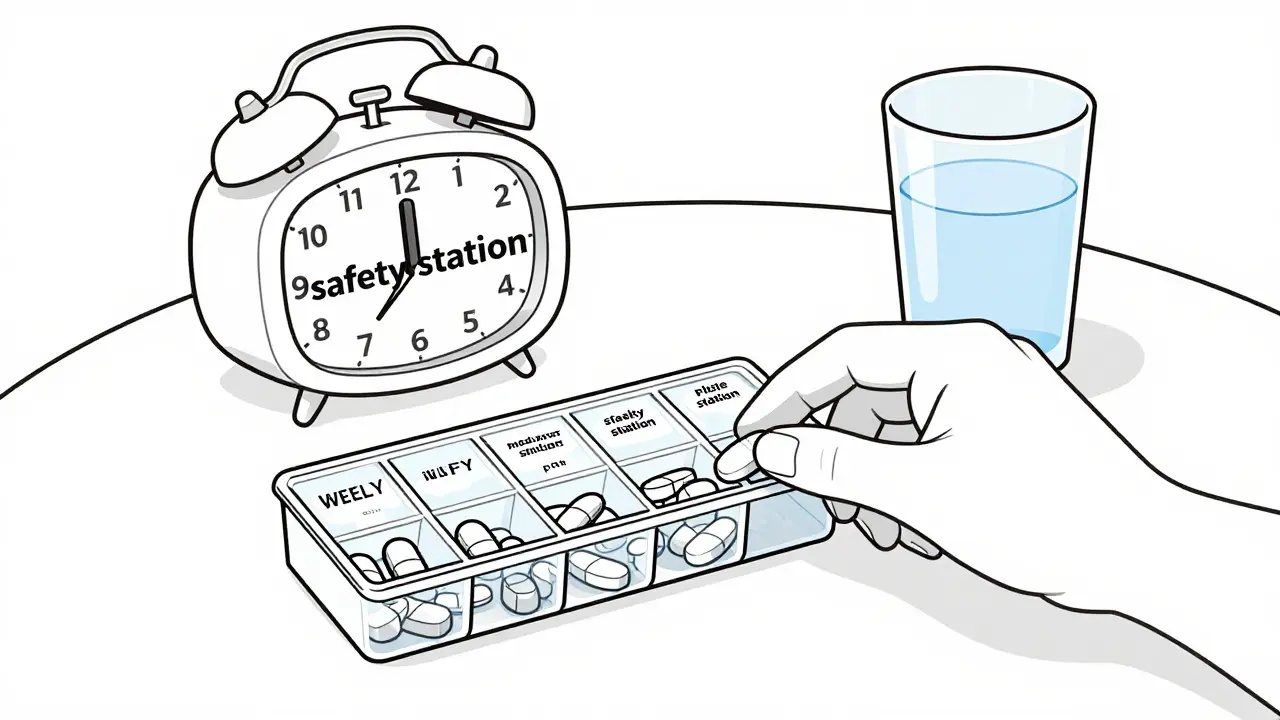
To fight this, many are switching to simplified regimens. Moving to once-daily dosing or using mobile app reminders has been shown to improve adherence by 15-25%. If you struggle with your schedule, don't hide it from your doctor-they can help you find a simpler drug or a better tracking system.
Managing Long-Term Risks: Infection and Cancer
Because these medications put your immune system in a permanent "sleep mode," you lose your natural defense against opportunistic infections. This is why you'll likely be on antimicrobial prophylaxis for the first 3-6 months. You are particularly vulnerable to Cytomegalovirus (CMV), which can affect up to 70% of recipients who don't receive preventative treatment.
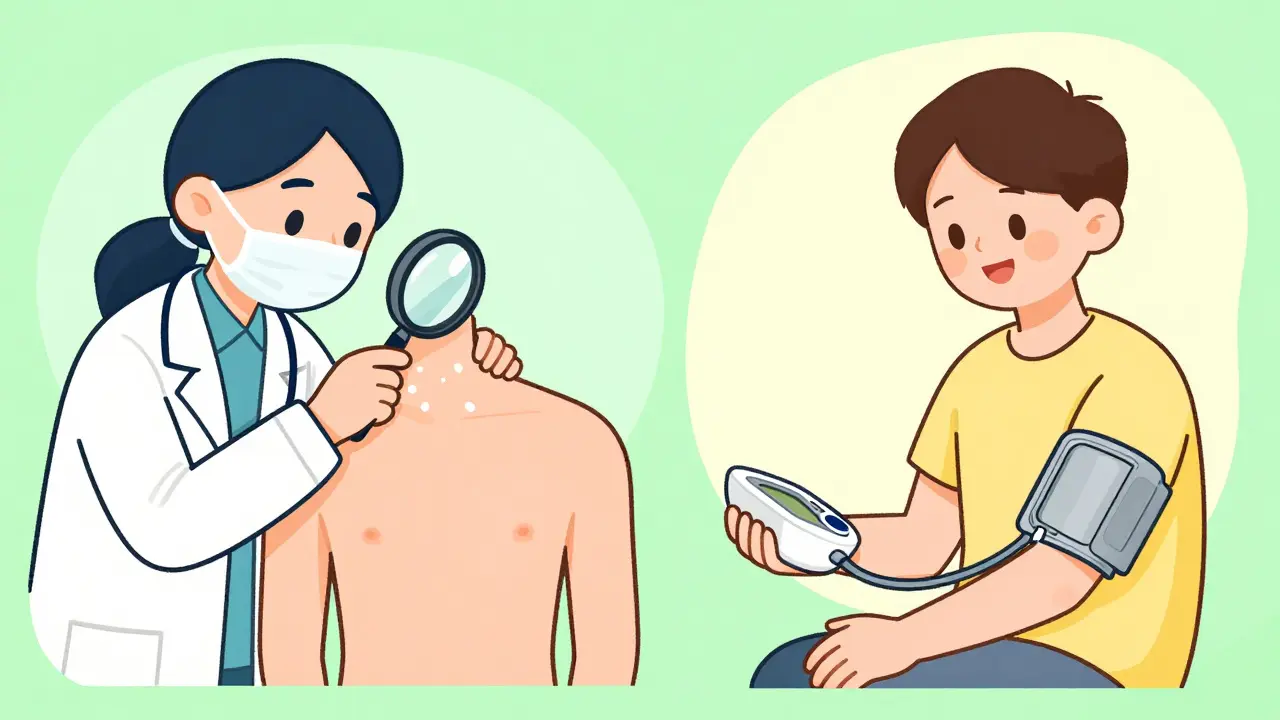
There is also a more sobering long-term risk: malignancy. Because the immune system is responsible for spotting and killing early cancer cells, suppressing it increases the risk of developing certain cancers by 2 to 4 times compared to the general population. This makes regular screenings and skin checks vital, as skin cancers are particularly common in transplant recipients.
The Lifelong Monitoring Journey
You cannot "set it and forget it" with transplant meds. Your dose will change. In the first few months, you'll likely be on 3-4 different medications. After a year, your team might taper you down to 2-3. This is an empirical process; your doctor monitors your blood levels and organ function to find the lowest possible dose that still prevents rejection.
The timing of the risk also depends on the organ you received. Heart and lung grafts are the most volatile, with high rejection risks appearing within days or weeks. Kidneys usually face their biggest risks in the weeks to months following surgery, while liver grafts are generally more stable, with rejection often taking months or years to manifest. This is why your follow-up appointment schedule is so aggressive in the beginning.
Can I ever stop taking immunosuppressants?
In the vast majority of cases, no. Immunosuppression is a lifelong commitment. The only time discontinuing these meds becomes a reasonable option is if the transplanted organ has completely failed and is no longer functioning. However, you must never stop these medications abruptly without a doctor's order, as it can cause sudden, severe graft failure symptoms like shortness of breath (lungs) or abdominal pain (liver).
What are the signs that my medication levels are too low?
Signs of rejection vary by organ. For kidney patients, a sudden drop in urine output (oliguria) or a spike in creatinine levels is a red flag. For liver patients, look for jaundice or abdominal pain. For lung and heart patients, increased shortness of breath or a persistent cough are primary warning signs. If you notice these, contact your transplant coordinator immediately.
Why do I have to get blood tests so often?
Immunosuppressants have a narrow therapeutic index. This means the difference between a dose that works and a dose that is toxic is very small. Regular blood draws measure the "trough" (the lowest level of the drug in your blood before your next dose) to ensure you are safe from both toxicity and rejection.
Are there any natural alternatives to these medications?
No. There are no supplements, herbs, or diets that can replace pharmaceutical immunosuppressants. While a healthy lifestyle supports your overall recovery, any attempt to replace these meds with "natural" alternatives will almost certainly lead to rapid organ rejection and loss of the graft.
How do I handle the side effects of prednisone?
Steroid side effects are tough. To combat bone loss (osteoporosis), doctors often prescribe calcium and Vitamin D or bisphosphonates. For the weight gain and diabetes risk, a low-sugar, low-sodium diet is crucial. Always discuss a "tapering" schedule with your doctor to see if your dose can be safely lowered over time.
Next Steps for Your Recovery
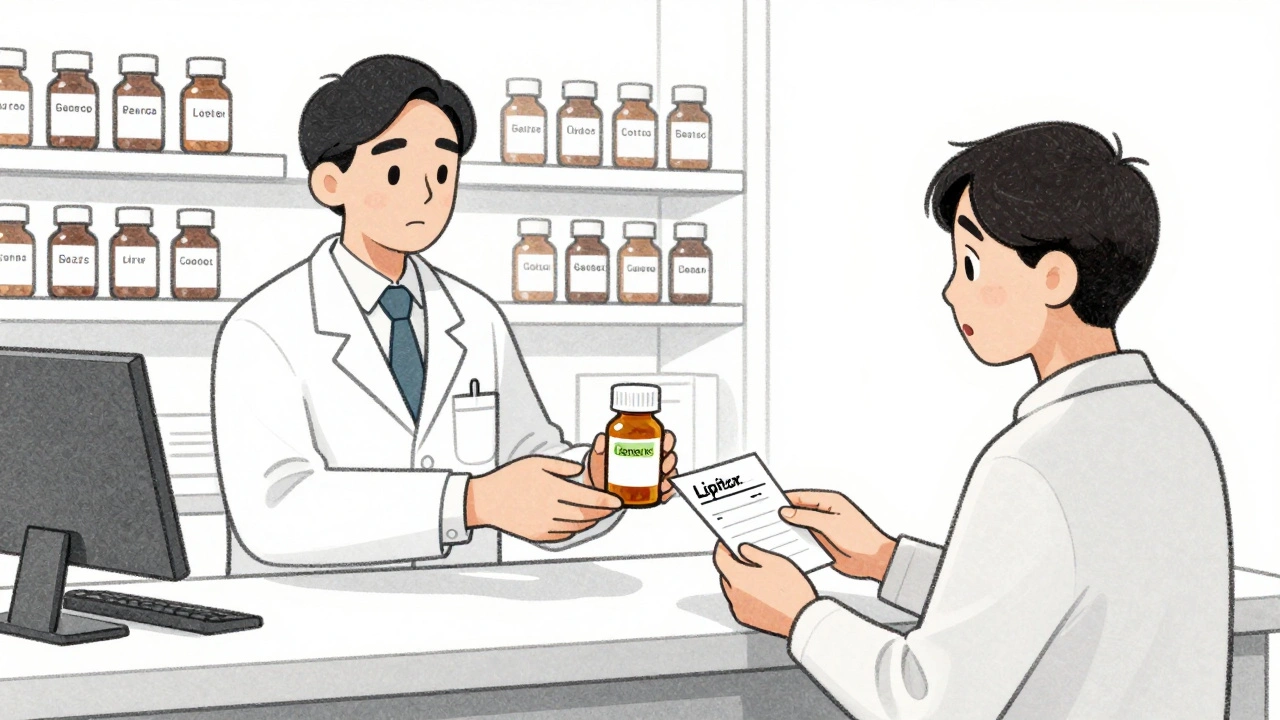
If you are newly transplanted, your first priority is building a foolproof medication system. Use a pill organizer and set multiple alarms on your phone. If you find that the cost of your medication is causing you to miss doses, ask your social worker about patient assistance programs or generic alternatives like tacrolimus.
For those who have had their transplant for several years, stay vigilant about skin checks. The increased risk of cancer doesn't go away, so a yearly dermatology exam is a smart move. Continue to track your blood pressure and glucose levels, as the long-term effects of CNIs and steroids can sneak up on you even when you feel great.




3 Comments