


Valerian Medication Interaction Checker
Check if your current medications could dangerously interact with valerian root. Based on FDA, Mayo Clinic, and WebMD guidelines.
If you're taking something to help you sleep - whether it's a prescription pill, an over-the-counter sleep aid, or even just a glass of wine at night - adding valerian root might seem like a harmless boost. After all, it's natural. But here's the truth: valerian isn't just another herb. When mixed with sedating medications, it can push your central nervous system too far, and that’s not something you want to risk.
What is valerian, really?
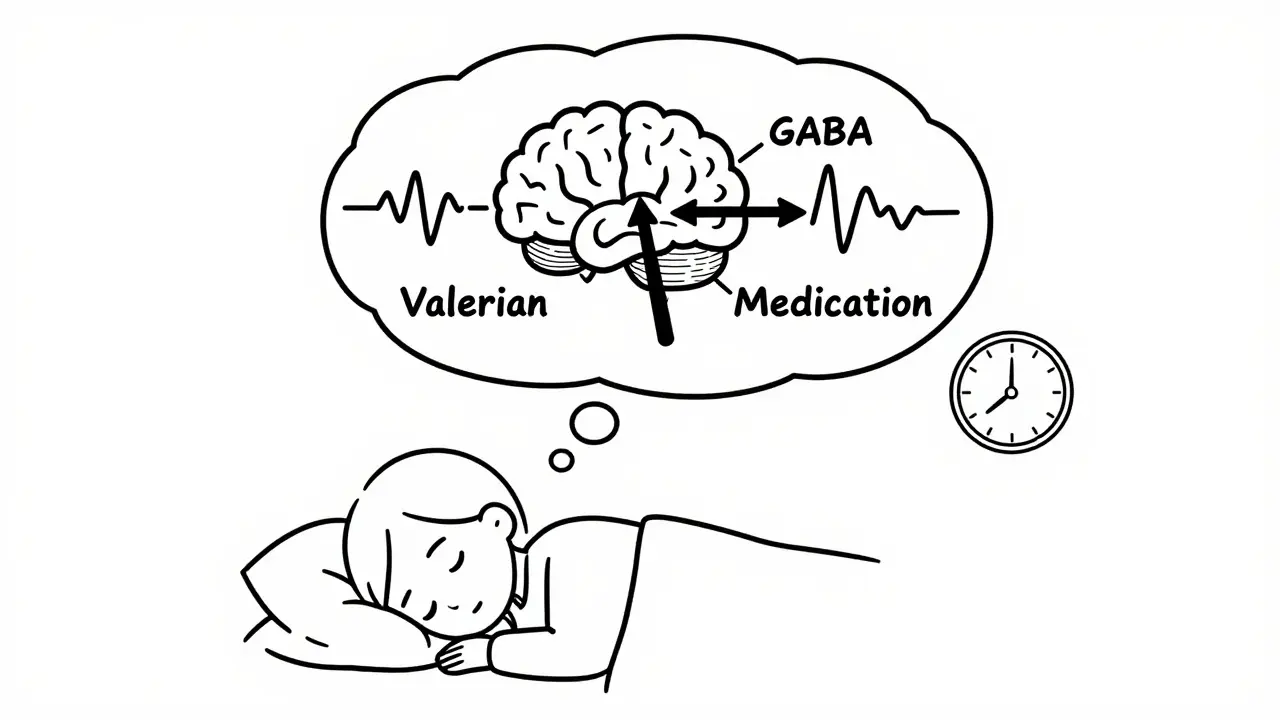
Valerian comes from the root of Valeriana officinalis, a flowering plant used for sleep and anxiety since ancient times. Unlike modern sleep drugs, it doesn’t knock you out. Instead, it works by gently increasing levels of GABA - a brain chemical that calms nerve activity. This is why people take it: to feel relaxed, fall asleep faster, and sleep more deeply.
But here’s the catch: valerian doesn’t have one single active ingredient. It’s a mix of compounds - valerenic acid, valepotriates, and others - and their amounts vary wildly from one bottle to the next. A supplement labeled "valerian root extract" might have 0.2% valerenic acid, or it might have 1.5%. There’s no standard. The FDA doesn’t require it. So you never really know what you’re getting.
Why mixing valerian with sedatives is dangerous
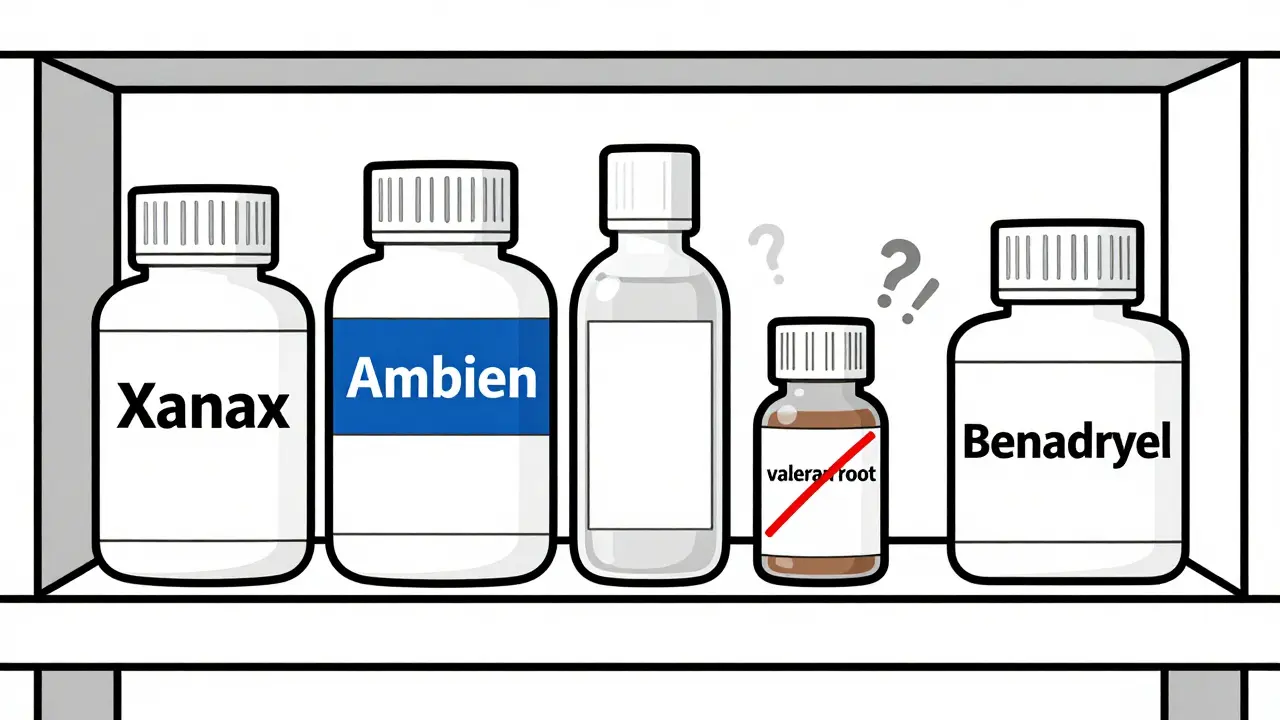
Think of your central nervous system (CNS) like a dimmer switch. Sedating medications - like Xanax, Ambien, alcohol, or even some antidepressants - turn that switch down. Valerian turns it down further. When you combine them, the dimmer doesn’t just go lower. It can shut off completely.
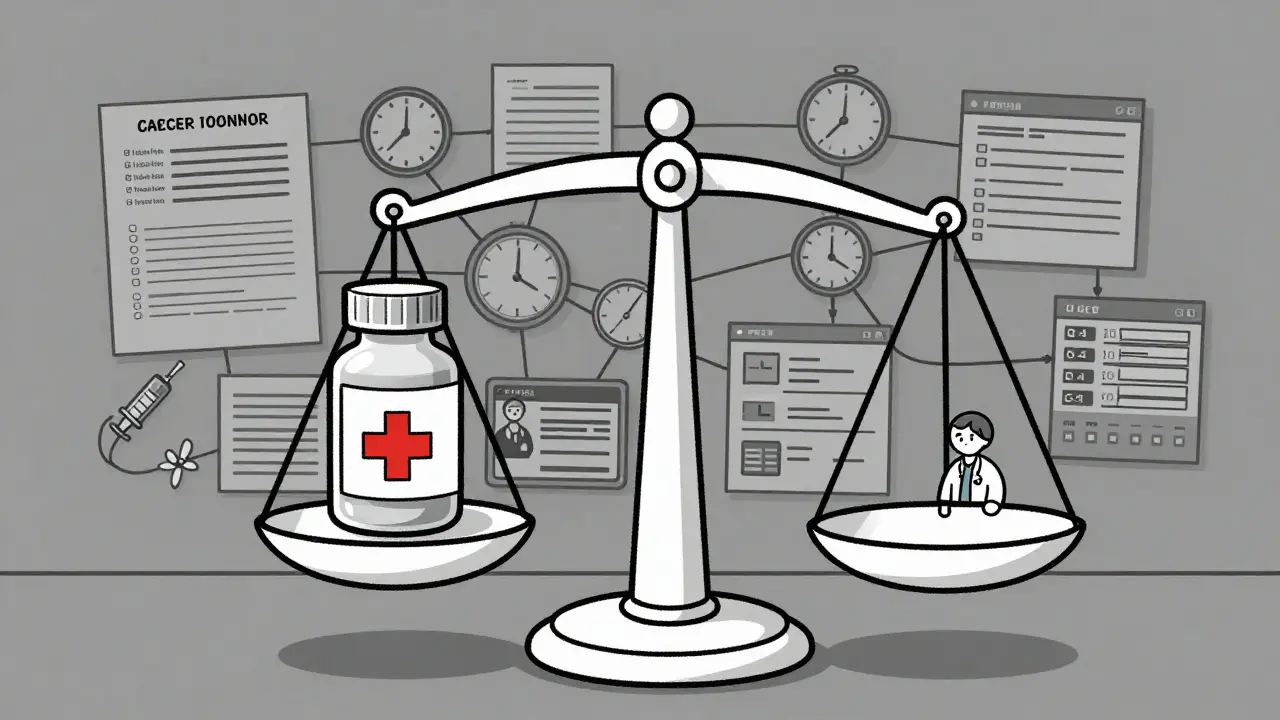
The result? Excessive drowsiness. Slowed breathing. In rare but serious cases, respiratory failure. This isn’t theoretical. WebMD classifies the combination of valerian with alcohol or alprazolam as a "Major" interaction - meaning it’s not just risky, it’s potentially life-threatening. The Mayo Clinic says the same: "Valerian may increase the effects of other sleep aids." They specifically warn against combining it with benzodiazepines, narcotics, and barbiturates.
Even if you don’t feel dizzy or groggy, your body might be under more stress than you realize. Studies show valerian can block the enzyme that breaks down GABA, meaning it keeps your brain in a calm state longer. When you add a drug like diazepam (Valium) or zolpidem (Ambien), which also boosts GABA, you’re essentially doubling down on the same pathway. That’s why doctors call it "additive CNS depression." It’s not just one effect - it’s stacked.
What medications should you avoid with valerian?
You don’t need to guess. Here’s a clear list of common medications that can interact dangerously with valerian:
- Alcohol - Even one drink can turn into too much sedation.
- Benzodiazepines - Xanax, Ativan, Klonopin, Valium.
- Sleep medications - Ambien, Lunesta, Sonata.
- Barbiturates - Phenobarbital, secobarbital (rare today but still used).
- Opioids - Oxycodone, hydrocodone, tramadol.
- Some antidepressants - Especially trazodone or mirtazapine, which have sedating properties.
- Antihistamines - Diphenhydramine (Benadryl), doxylamine (Unisom).
And it’s not just prescription drugs. Many OTC sleep aids contain diphenhydramine or doxylamine. If you’re taking those and adding valerian, you’re playing Russian roulette with your breathing.
What about that study saying valerian is safe?
You might have heard about a 2005 mouse study from Mexico that found valerian didn’t boost the effects of sedatives. Sounds reassuring, right? But here’s what you need to know:
- It was done on mice - not humans.
- It used Valeriana edulis, not the common Valeriana officinalis used in supplements.
- It tested only six drugs - not the full range people actually combine with valerian.
- No human trials have confirmed these results.
Meanwhile, the NIH, Mayo Clinic, WebMD, and the American Academy of Family Physicians all agree: the risk is real, even if the number of documented cases is low. Why? Because most people don’t report mild drowsiness. They don’t go to the ER unless they stop breathing. By then, it’s too late.
Why you might not even know you’re at risk
Many people take valerian without telling their doctor. They think, "It’s natural, so it’s safe." But that’s a dangerous assumption.
Dentists and anesthesiologists have reported cases where patients took valerian before a procedure - thinking it would calm their nerves - and ended up over-sedated. One patient in Sydney, Australia, was nearly intubated after taking valerian capsules the night before a tooth extraction, then drank wine to relax. The anesthesiologist later said, "I’ve seen this before. They never mention the herbs."
And here’s another hidden risk: valerian can linger in your system. Its effects don’t disappear overnight. If you take it on Monday night and have surgery on Wednesday, the interaction risk is still there.
What should you do?
Here’s the bottom line:
- If you’re taking any sedating medication - prescription or OTC - don’t take valerian.
- If you’re considering valerian for sleep, talk to your doctor first. Tell them everything you’re taking, including supplements.
- Don’t assume "natural" means "safe." Valerian is a pharmacologically active substance.
- Keep a list of all supplements you take. Bring it to every medical appointment.
- If you’ve been using valerian for more than a few weeks and still can’t sleep, see a doctor. Chronic insomnia is often a sign of an underlying issue - anxiety, sleep apnea, thyroid problems - not a lack of herbal remedies.
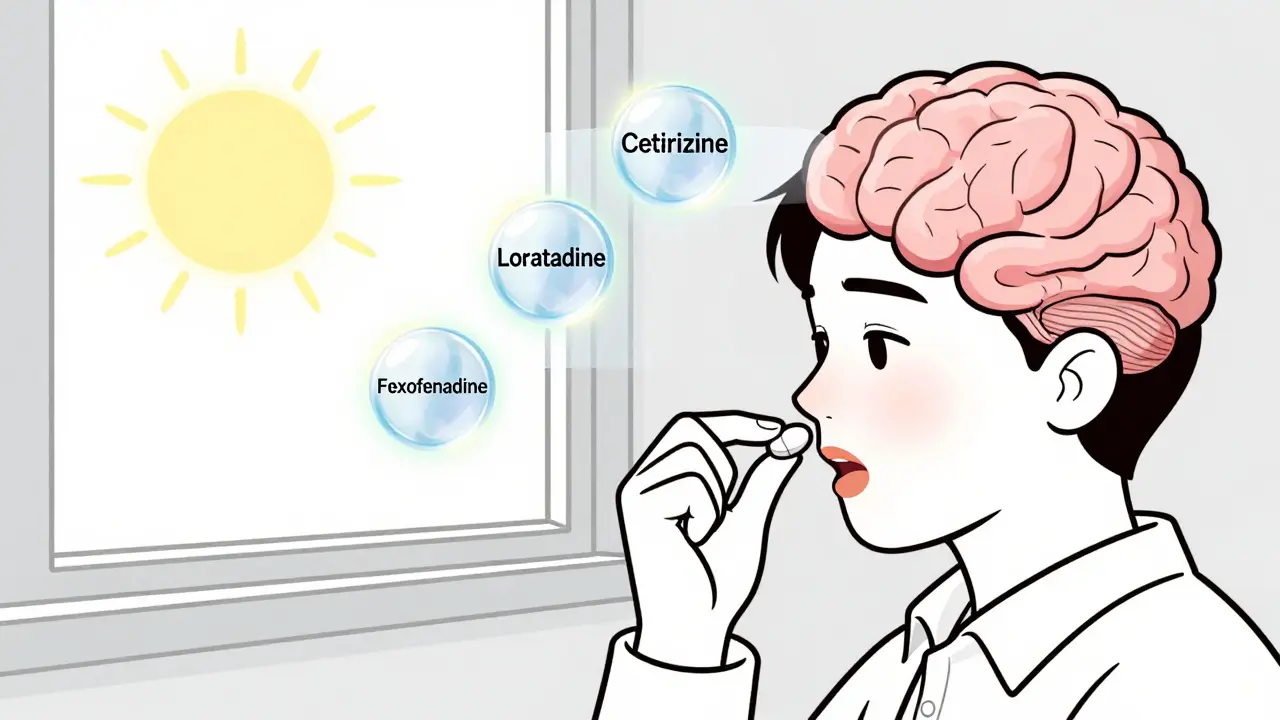
The truth is, valerian can be helpful for occasional sleep trouble. But if you’re already on medication that slows your brain, it’s not worth the gamble. There are safer, better-tested ways to improve sleep - cognitive behavioral therapy for insomnia (CBT-I), sleep hygiene, light regulation, even melatonin (which has a much lower interaction risk).
Bottom line
You don’t need to fear valerian. But you do need to respect it. It’s not a harmless tea. It’s a brain-active compound with real, measurable effects. And when combined with sedating medications, those effects can become dangerous - even deadly.
When in doubt, skip it. Your body doesn’t need another sedative. It needs rest, not stacking.
Can I take valerian if I only take one sedative medication?
Even one sedative - whether it’s a nightly Xanax, a low-dose sleep pill, or occasional alcohol - can interact with valerian. The risk isn’t about how many drugs you take, but whether any of them slow your nervous system. Valerian adds to that effect. So no, it’s not safe, even with just one.
Is valerian safe if I stop my medication for a few days?
Stopping medication without medical supervision can be dangerous. Many sedatives, like benzodiazepines, require gradual tapering. Even if you stop the drug, valerian still affects your GABA system. Mixing the two, even intermittently, isn’t recommended. Always talk to your doctor before changing your routine.
What if I take valerian and don’t feel sleepy?
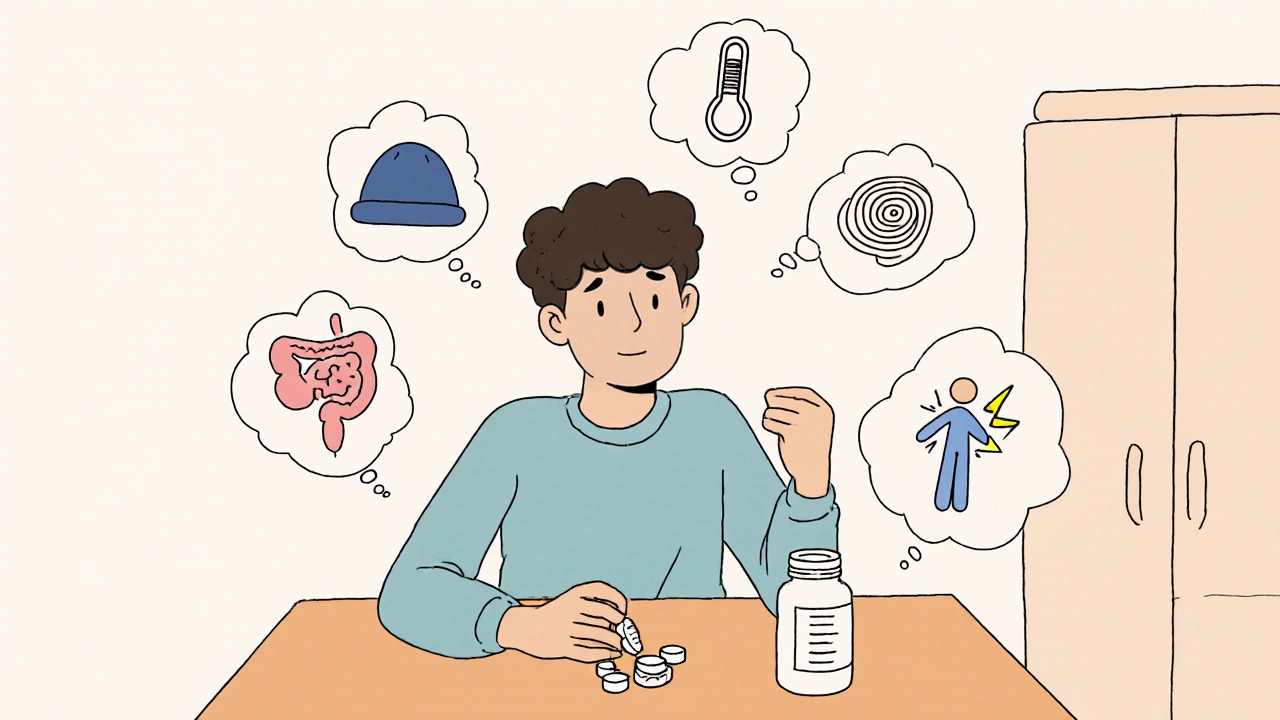
Just because you don’t feel sleepy doesn’t mean the interaction isn’t happening. CNS depression can affect breathing, heart rate, and reflexes without making you feel "drunk" or "out of it." You might feel fine, but your body is still under stress. That’s why this interaction is so dangerous - it’s silent.
Are there any supplements that are safer than valerian for sleep?
Yes. Melatonin, magnesium glycinate, and glycine have much lower interaction risks with sedating medications. Melatonin works on your body’s natural clock, not your GABA system. Magnesium and glycine help relax muscles and calm nerves without deep CNS depression. Still, check with your doctor - even these can interact in some cases.
Why don’t more people know about this risk?
Because herbal supplements aren’t required to list drug interactions on their labels. Most people assume "natural" equals "safe," and doctors don’t always ask about supplements unless they’re trained to. This gap in awareness is why the number of reported interactions is likely far lower than the real number. Awareness is still growing - but you shouldn’t wait for it to catch up.




10 Comments